We use cookies to make your experience better. To comply with the new e-Privacy directive, we need to ask for your consent to set the cookies. Learn more.


How Hidden Gem Collective is Reframing Contemporary South-Asian Art
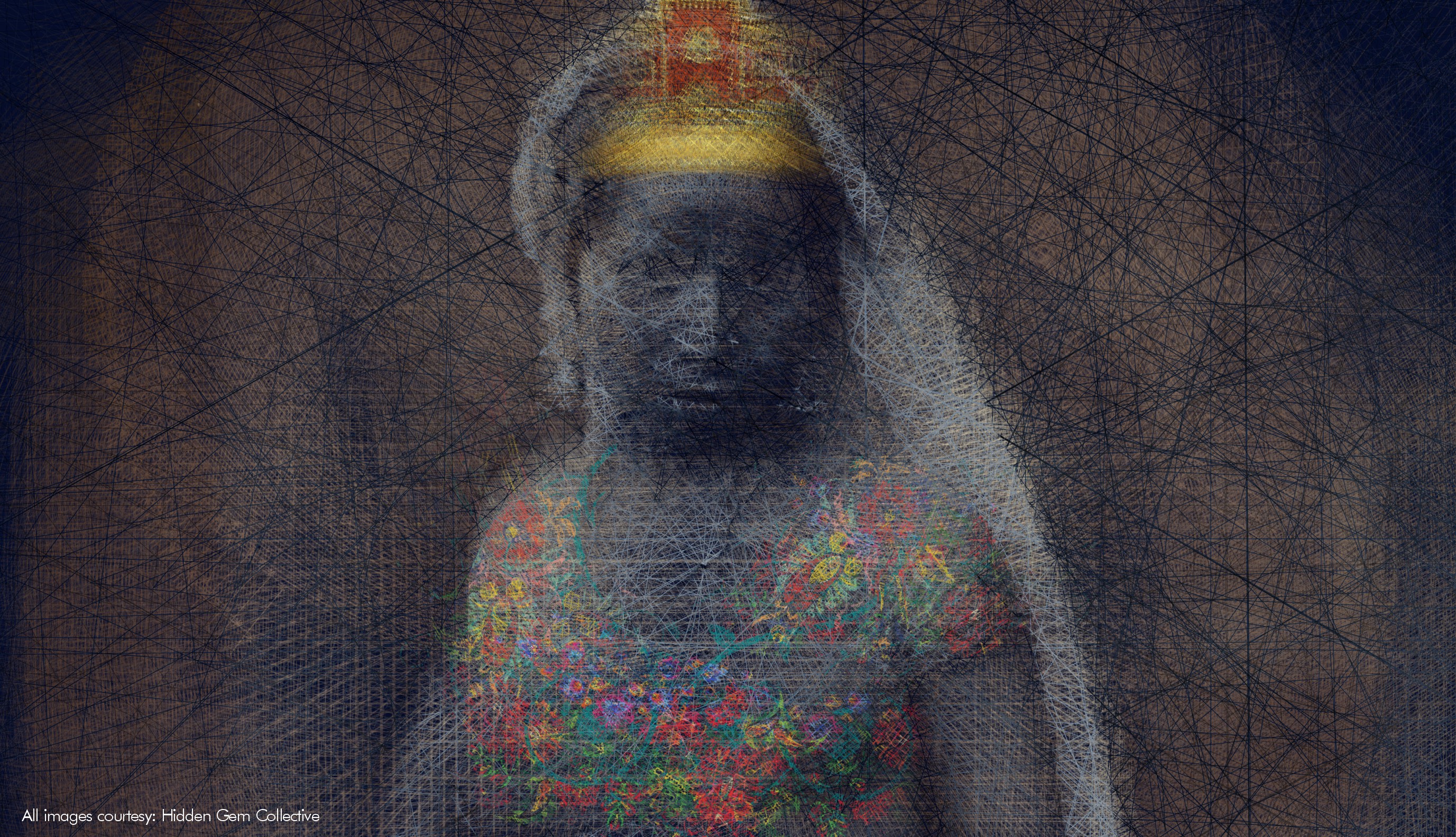
In an era where visibility often dictates value, some of the most compelling artistic voices continue to exist at the margins, working beyond the glare of the mainstream, creating art narratives that are universally resonant. Hidden Gem Collective emerges in this space, as a cultural conduit dedicated to uncovering and championing under-represented artistic practices from South Asia and the diaspora.
Beyond representation, Hidden Gem Collective is an act of preservation and propagation that serves as a vessel of cultural memory, ensuring that these voices are not just heard, but remembered.
SUBRATA GHOSH
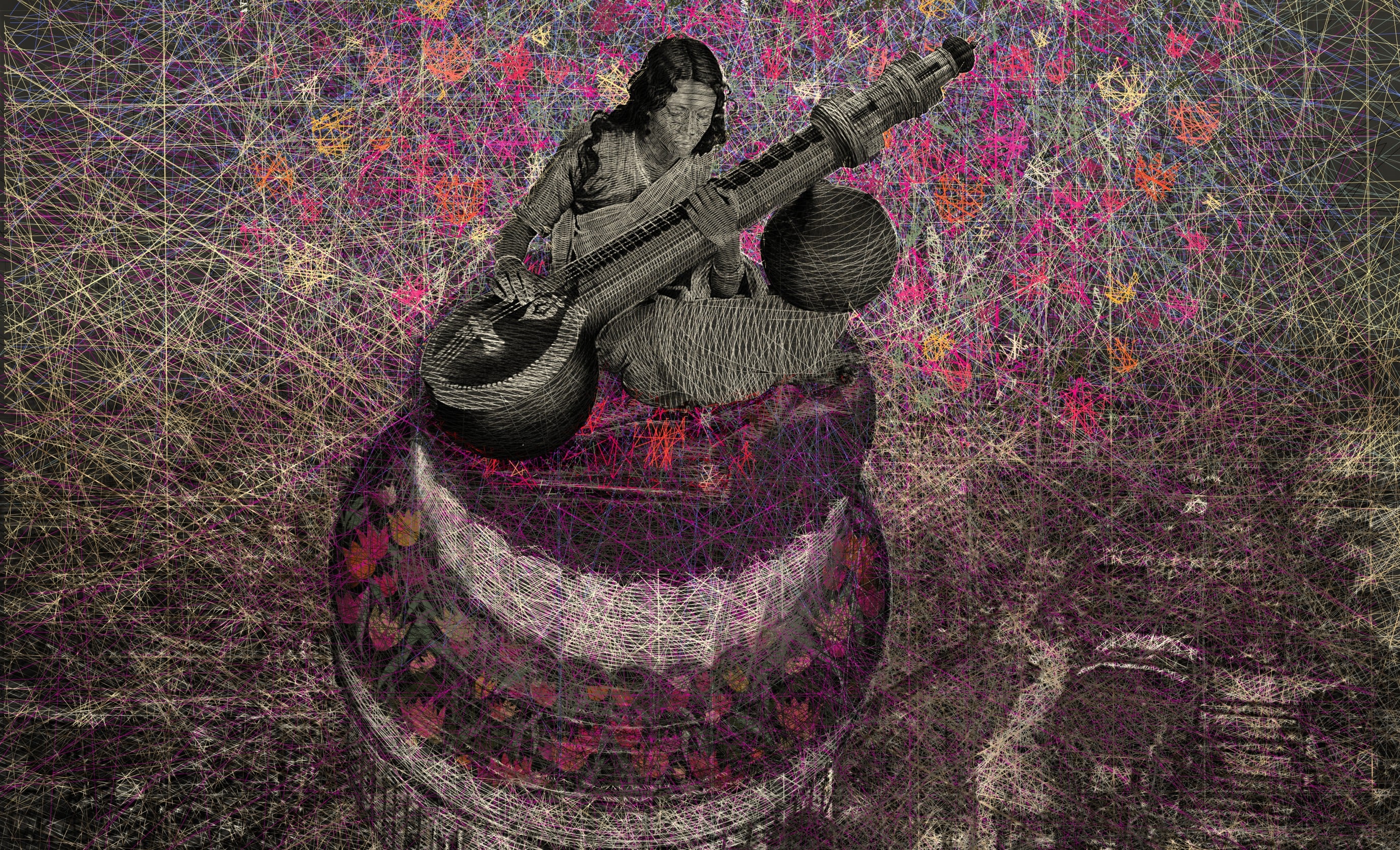
‘High Hopes 4 (2023)’, Subrata Ghosh, courtesy Hidden Gem Collective
Subrata Ghosh is a mixed-media visual artist based in New Delhi. His work questions the nature of progress, using visual contradictions to explore what truly defines it. This inquiry led him to Maslow's Hierarchy of Needs, particularly the idea that self-actualization represents the highest form of human fulfilment.
‘High Hopes 8 (2023)’, Subrata Ghosh, courtesy Hidden Gem Collective
Subrata's visual language was shaped long before he ever picked up a brush - on the streets of Kolkata, where political graffiti and vivid movie posters served as his earliest gallery, embedding themselves into his sensibility before he understood them as art at all. Books and formal writing, he admits, never spoke to him, even in school, but images did. Recreating them became his way of thinking, a process that still drives his work today.
‘High Hopes 11 (2023)’, Subrata Ghosh, courtesy Hidden Gem Collective
Blending technical mastery with emotional resonance, Ghosh’s work navigates themes of memory, introspection, and cultural identity. Through richly observed portraits, landscapes, and still lifes, he creates evocative art that transcends visual aesthetics. His oeuvre, characterized by realism and psychological insight, has cemented his place among the most compelling voices in South Asian art today.
MOKSHA KUMAR
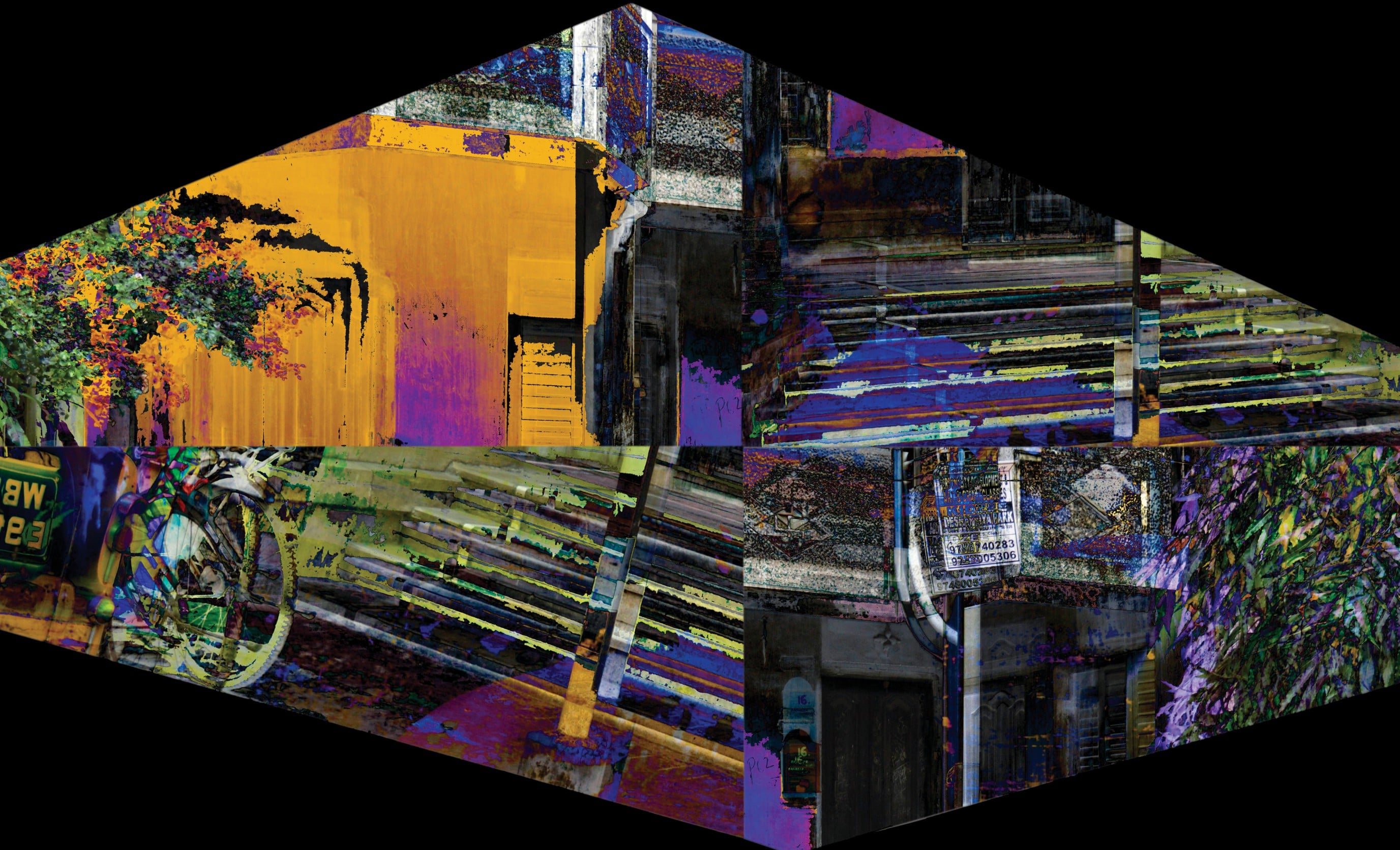
‘Logam Perspective VIII (2022)’, Moksha Kumar, courtesy Hidden Gem Collective
Moksha Kumar is a visual artist based in Bengaluru, working at the conjunction of diversity, memory, and transition. Her practice grew out of an archival project from an art history thesis, documenting Kolkata's vernacular Art Deco houses, many since demolished. Through new media, she transforms these traces into "ar(t)chives": poignant glitches in the continuum of time, preserving fragments of heritage that might otherwise be lost.
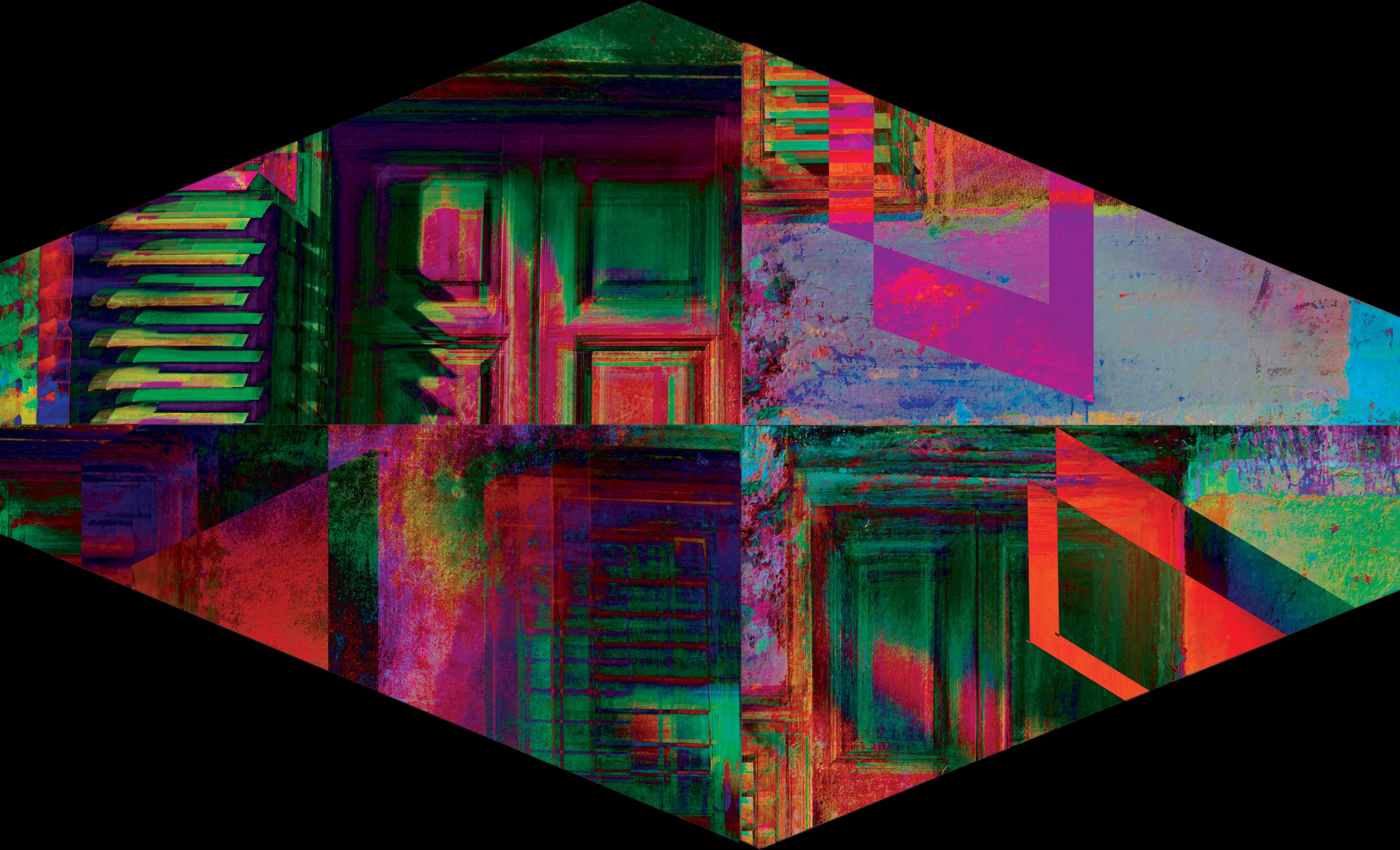
‘Logam Perspective VII (2022)’, Moksha Kumar, courtesy Hidden Gem Collective
Moksha’s practice has evolved from structural studies inspired by Brutalism and Cubism to a more introspective engagement with cultural memory, architecture, and myth. Her works unfold as quiet interventions, encouraging audiences to bring their own memories, associations, and perspectives to the encounter.
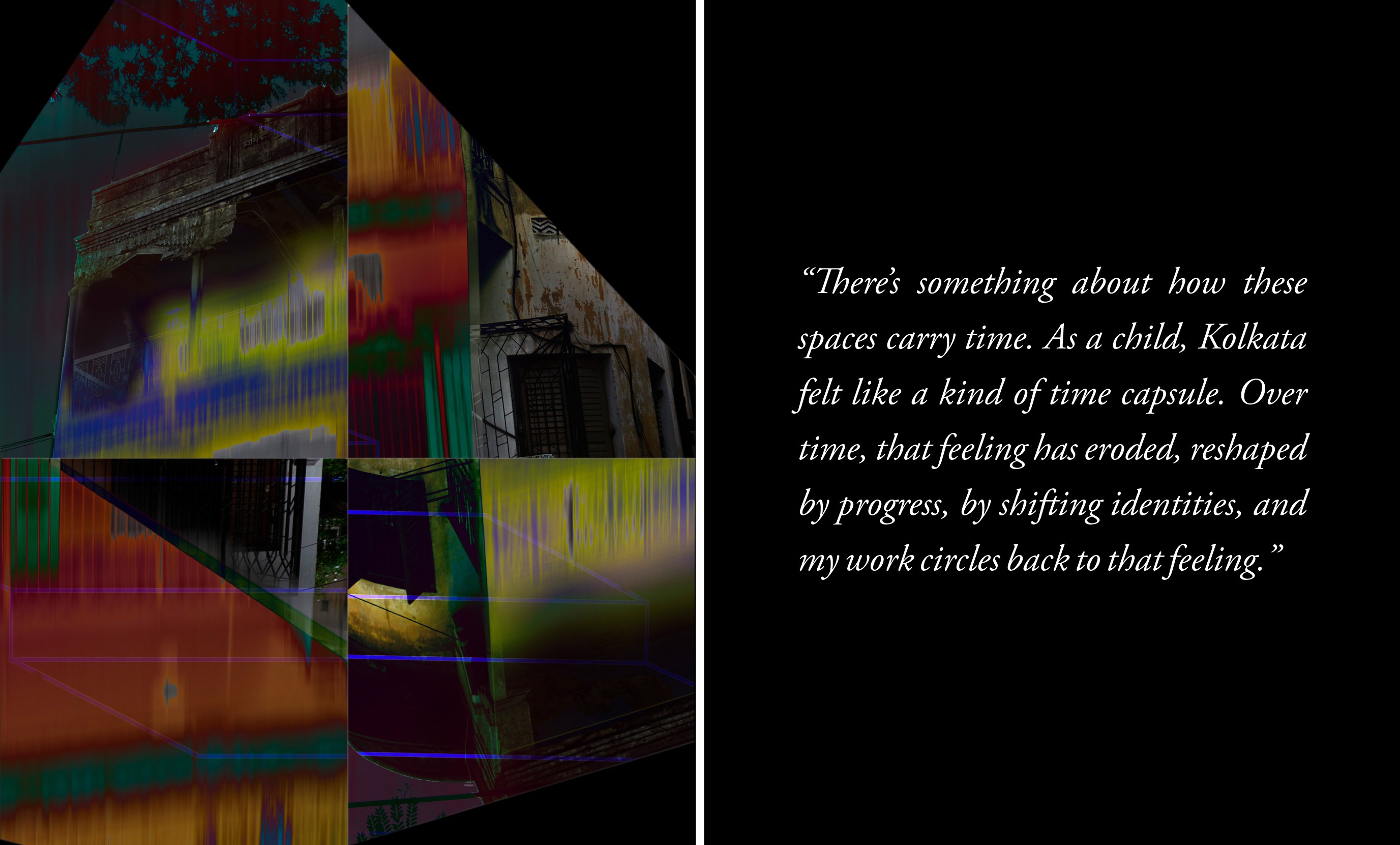
‘Logam Perspective II (2022)’, Moksha Kumar, courtesy Hidden Gem Collective
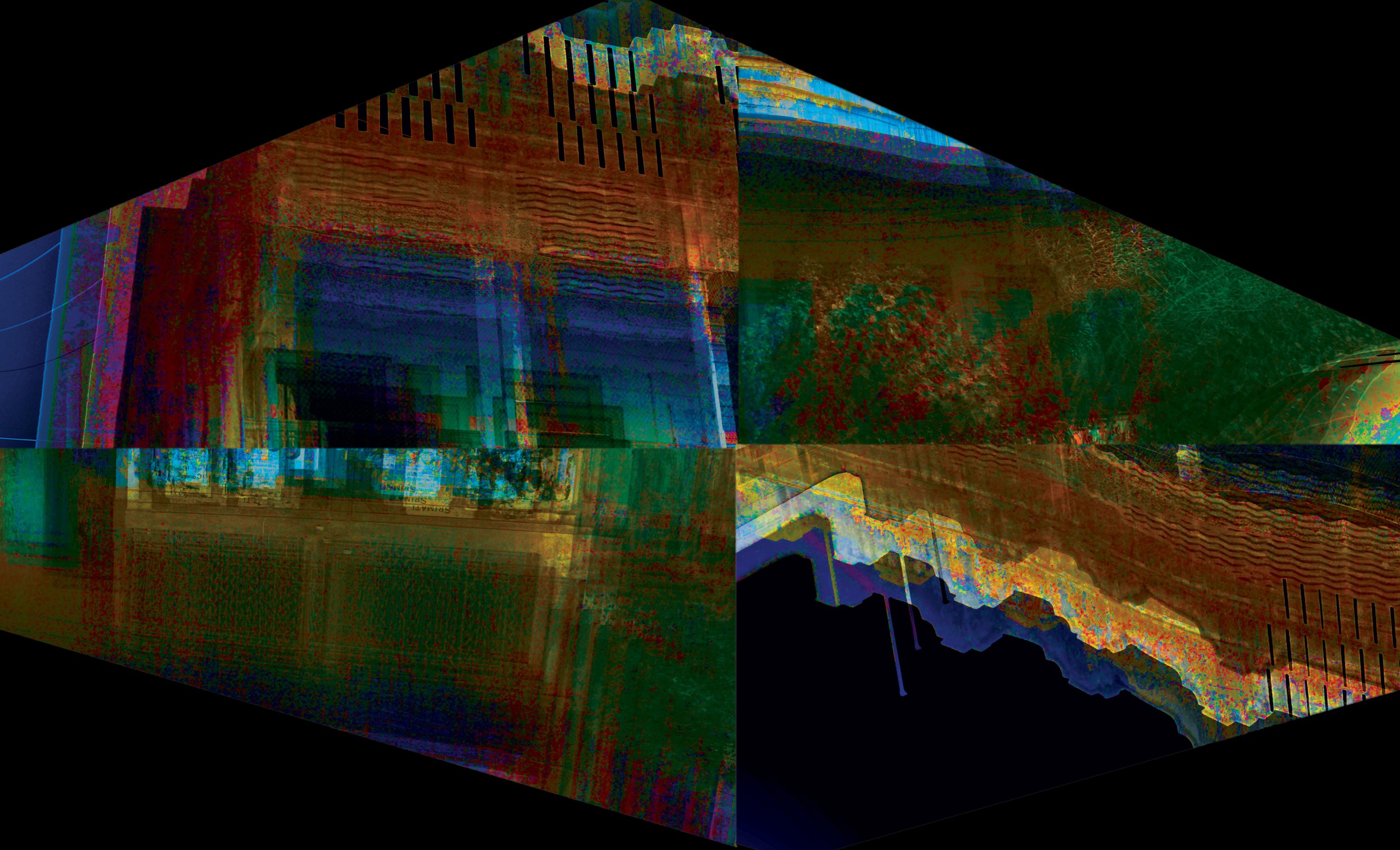
“I don’t think of memory as something I’m translating exactly - it’s more like I’m staying with its residue. The image holds that, rather than resolving it, and becomes an intriguing archive.”
‘Logam Perspective VI (2022)’, Moksha Kumar, courtesy Hidden Gem Collective
DEEPAK SHARMA
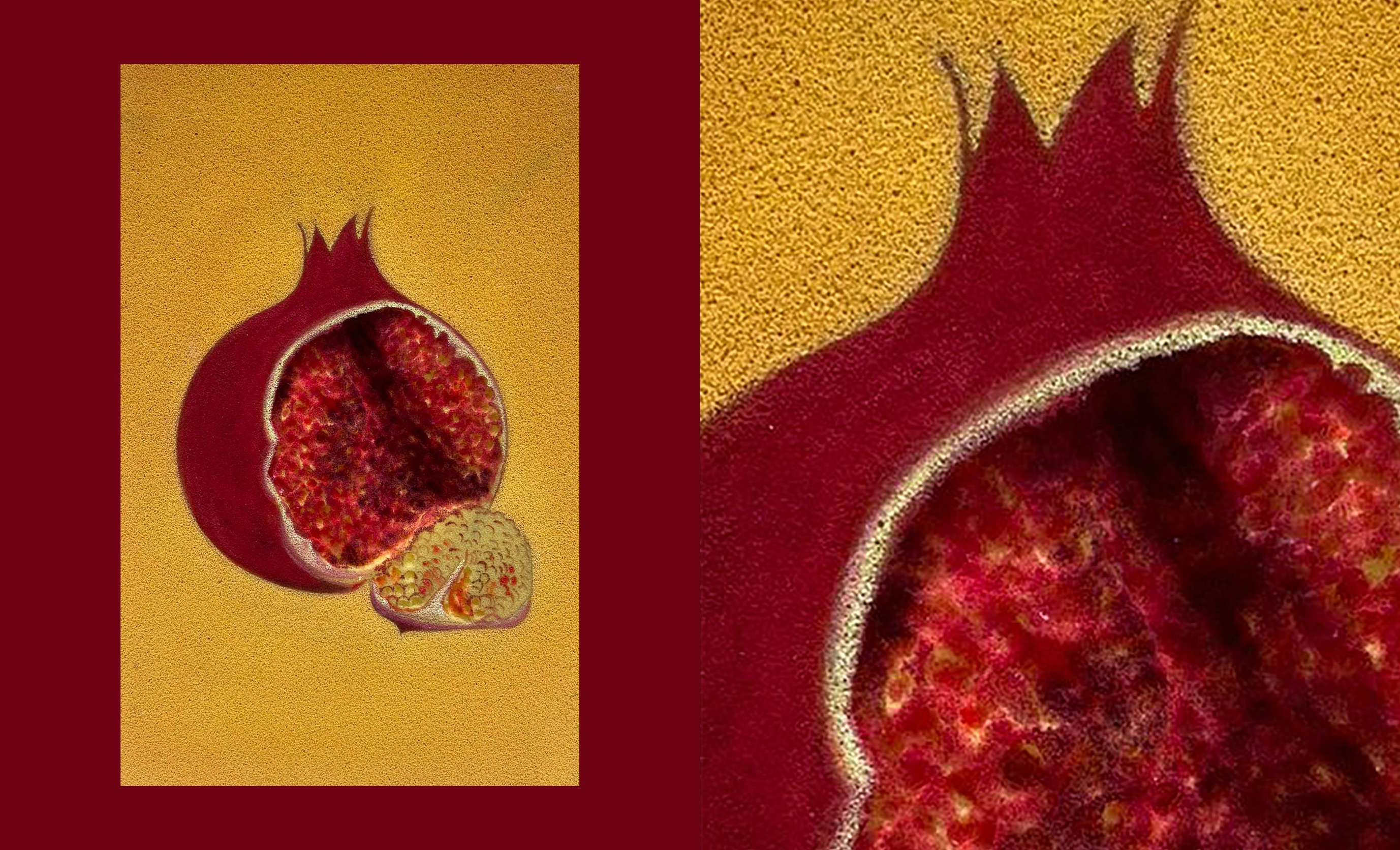
‘Ek Anar, Sau Bimar (2024)’, Deepak Sharma, courtesy Hidden Gem Collective
Deepak Sharma is a Vadodara-based artist whose practice explores the expressive potential of material and surface. Trained in Applied Arts at the College of Art, Jammu, before continuing his education at Sir J. J. School of Art, Mumbai, Sharma approaches painting as both image and object. While acrylic remains his primary medium, he frequently incorporates unconventional materials such as sponge and foam, using their tactile qualities to challenge and create richly layered visual experiences.
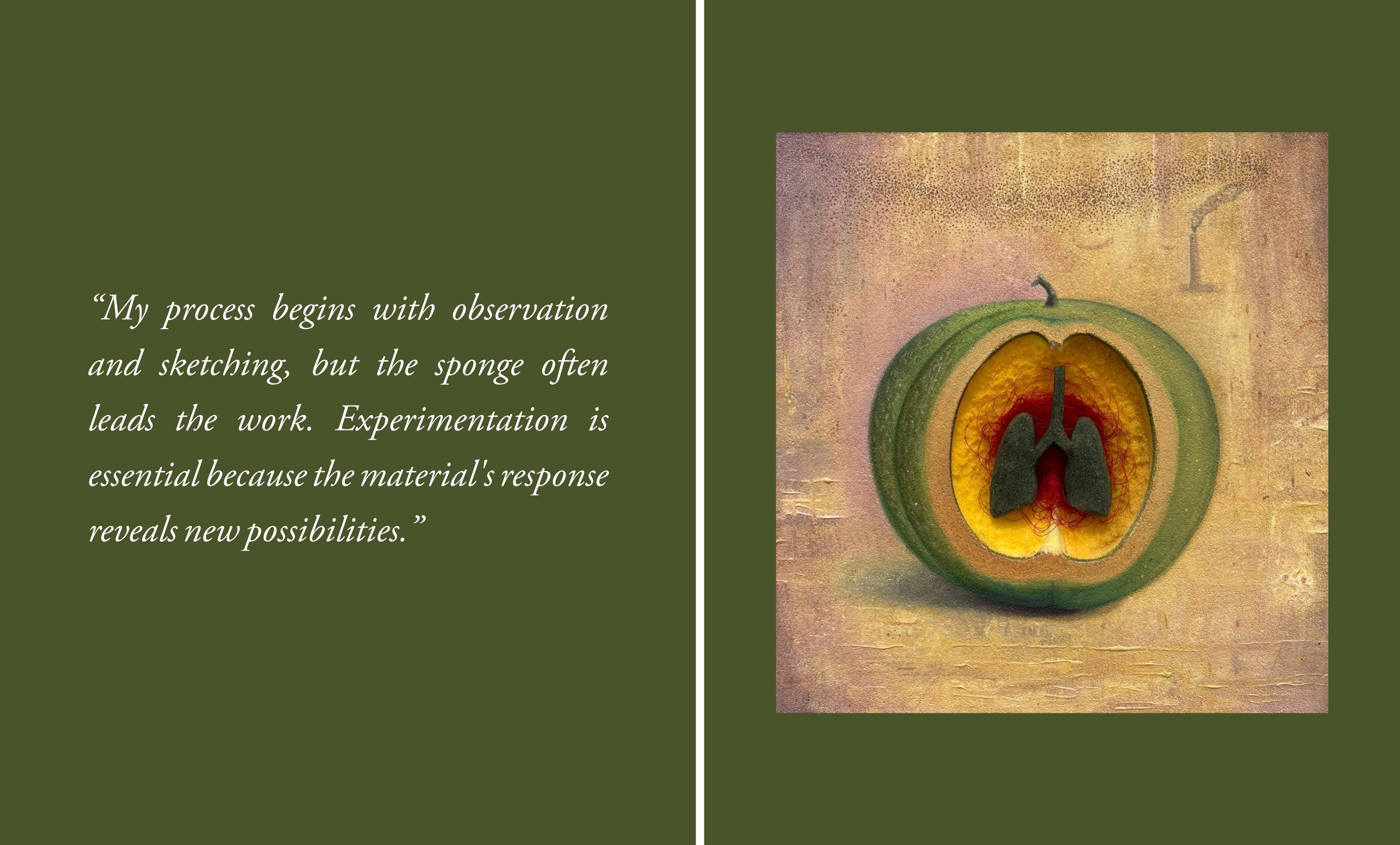
‘Carbon Bloom (2024)’, Deepak Sharma, courtesy Hidden Gem Collective
Sharma's practice begins with the ordinary. A sponge, a piece of foam, an object worn by touch and time, materials often overlooked in daily life become vessels of creation in his studio. In his hands, these humble surfaces become stand-ins for the human body, bearing traces of endurance, vulnerability, and transformation.
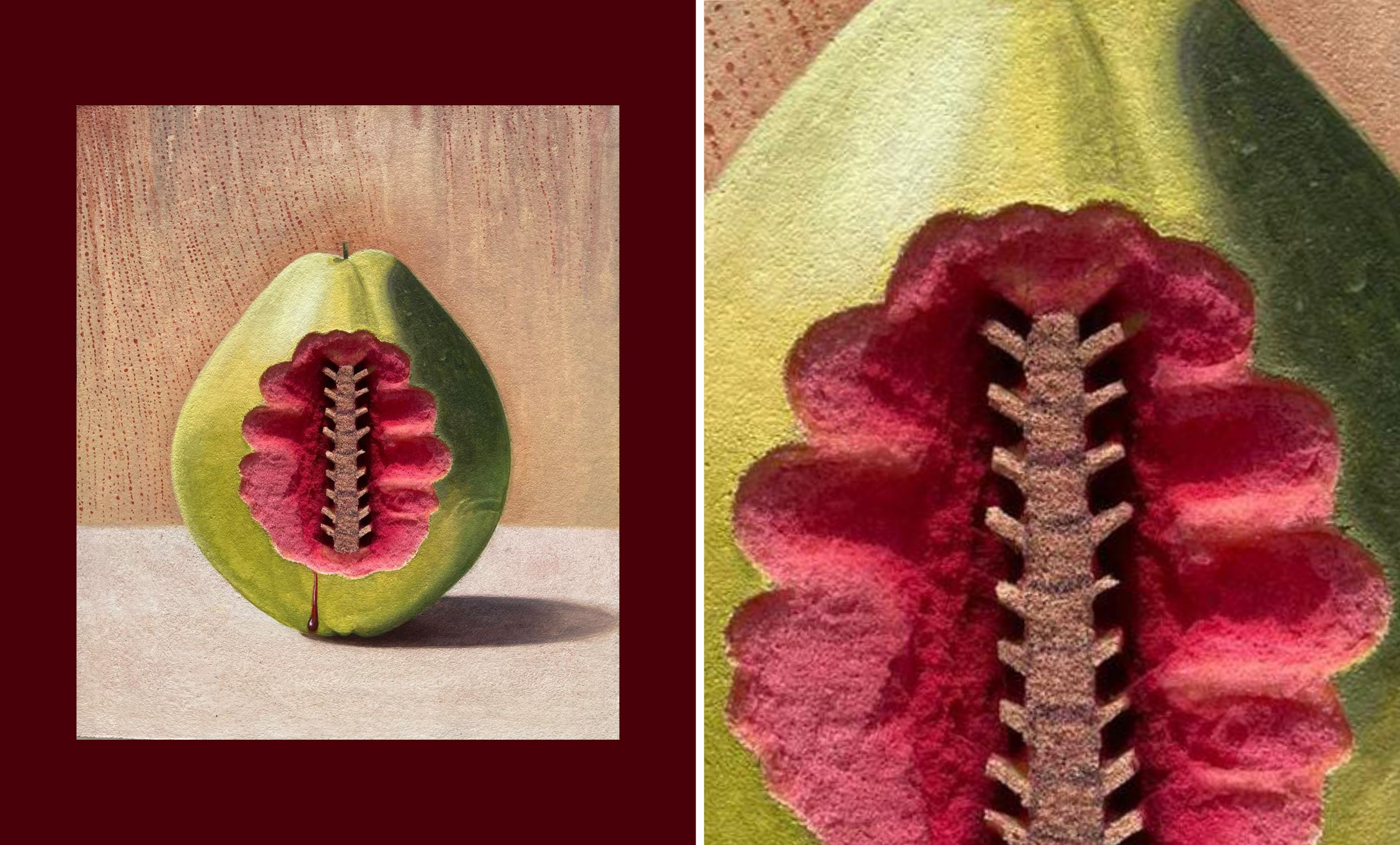
‘Spine of Summer (2024)’, Deepak Sharma, courtesy Hidden Gem Collective
There is little desire to control the material completely. Instead, Sharma allows it to lead the conversation. The unexpected collapse of a form, an accidental tear, or the resistance of a surface often redirects the work, revealing possibilities that could never have been planned. Failure is not an interruption of the process but one of its most generous collaborators, continually expanding the vocabulary of his practice.
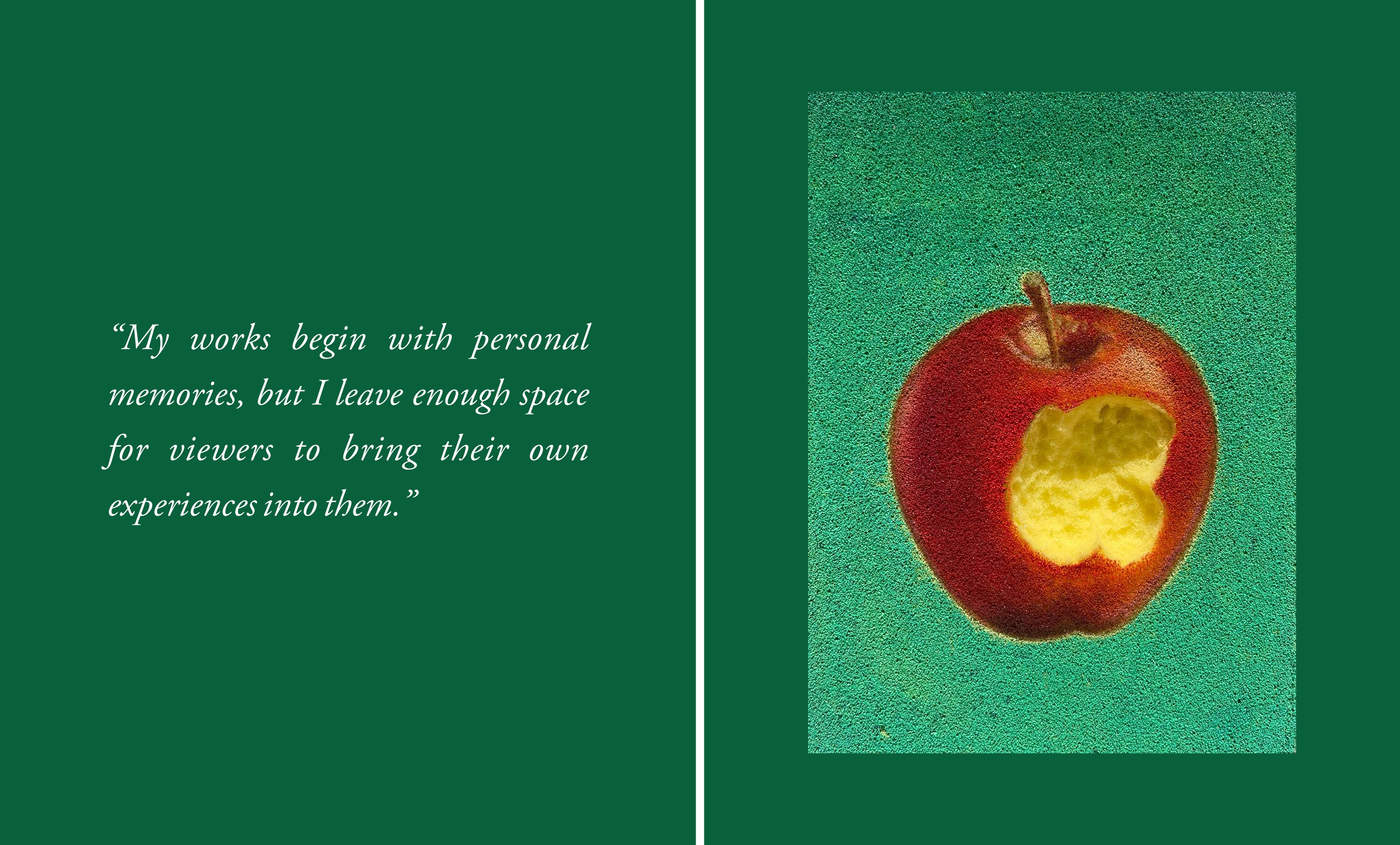
‘The Bitter Bite (2024)’, Deepak Sharma, courtesy Hidden Gem Collective
While each work emerges from deeply personal memories, Sharma resists offering fixed narratives. His compositions remain deliberately open, inviting viewers to inhabit them with their own recollections and emotional landscapes. The result is an oeuvre that feels intimate and universal. Abstraction becomes a repository of memory, and every mark, crease, and fracture speaks of a life fully lived.