We use cookies to make your experience better. To comply with the new e-Privacy directive, we need to ask for your consent to set the cookies. Learn more.


Journals
-
Posted: October 07, 2026
 Read more »
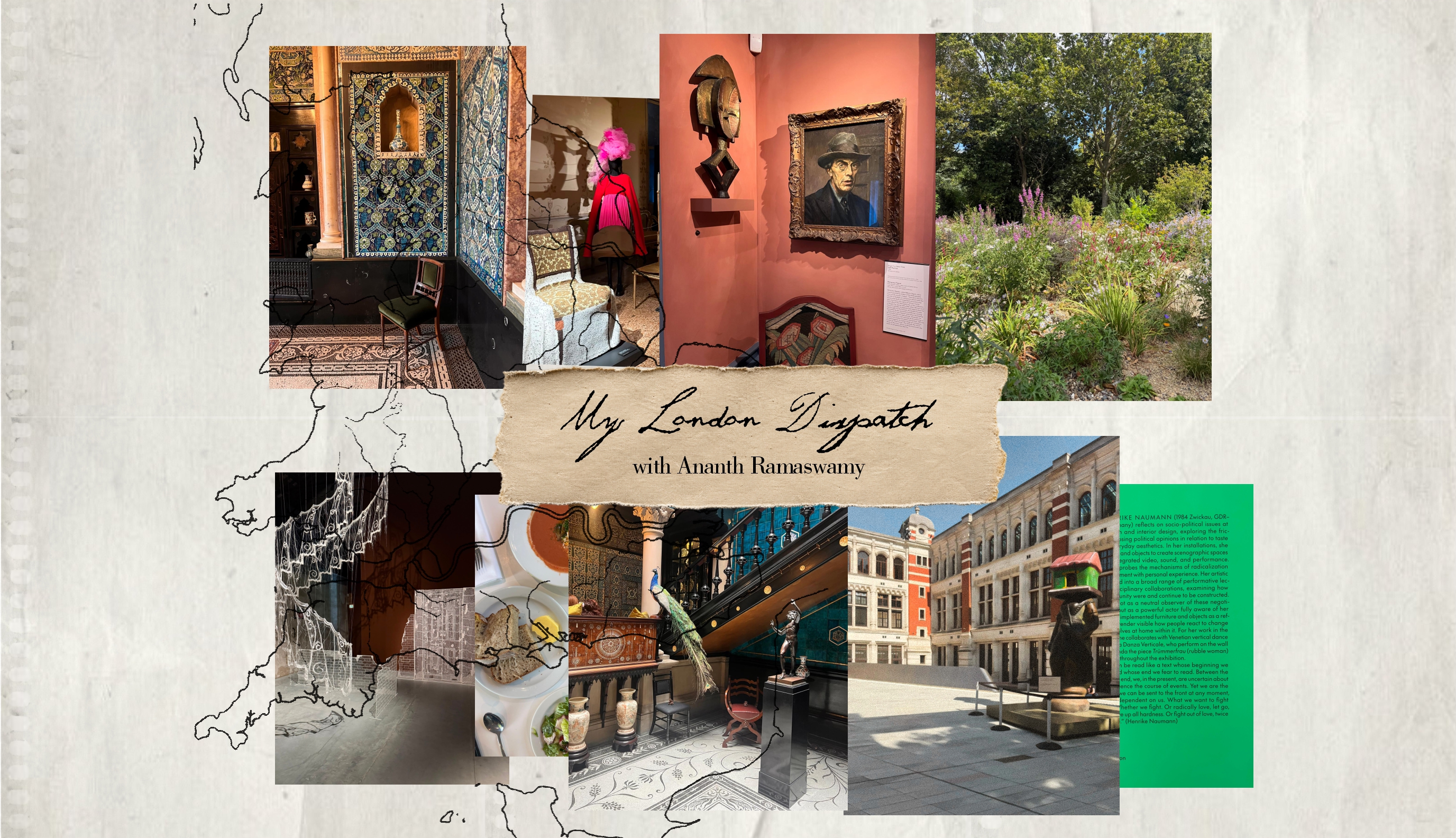
Drawn to London by the promise of architectural discovery, Ananth Ramaswamy arrived in the city in 2008 to study architecture at the Architectural Association, beginning a relationship with the city that would shape his creative vocabulary. Born in Bangalore, and the younger son of Chester’s founder M.V. Ramaswamy, Ananth brings a g
-
Posted: October 05, 2026
 Read more »
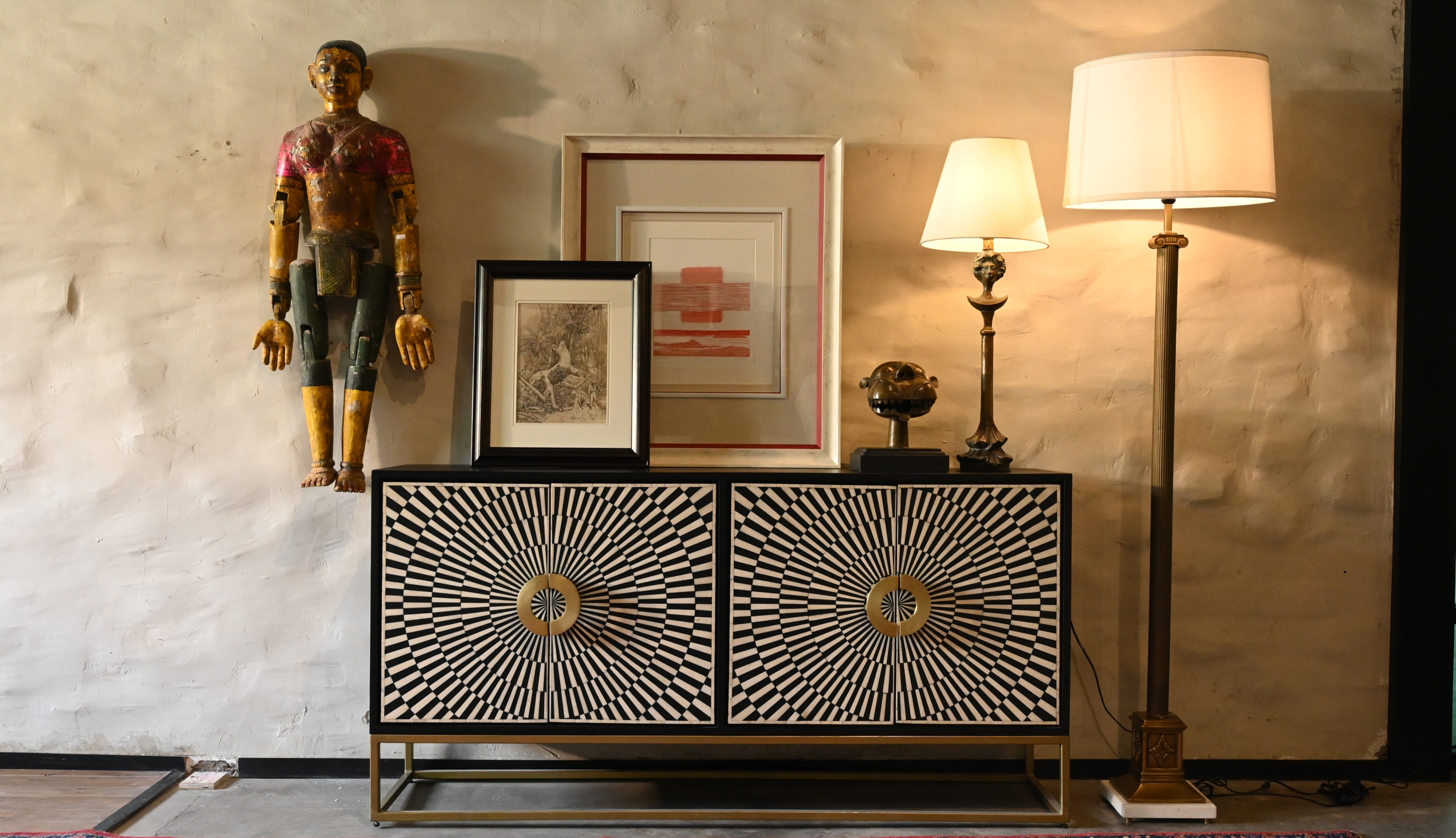
A new language of living is taking shape. Modern Indian homes are finding a way back to their roots. Not a return, but a reinterpretation.
For decades, "Indian design" meant a choice: the heirloom or the modern piece, the handcrafted or the considered, the past or the present. Neo-Indianism refuses that choice. Here, a grandmother's brass finds
-
Posted: August 20, 2026
 Read more »
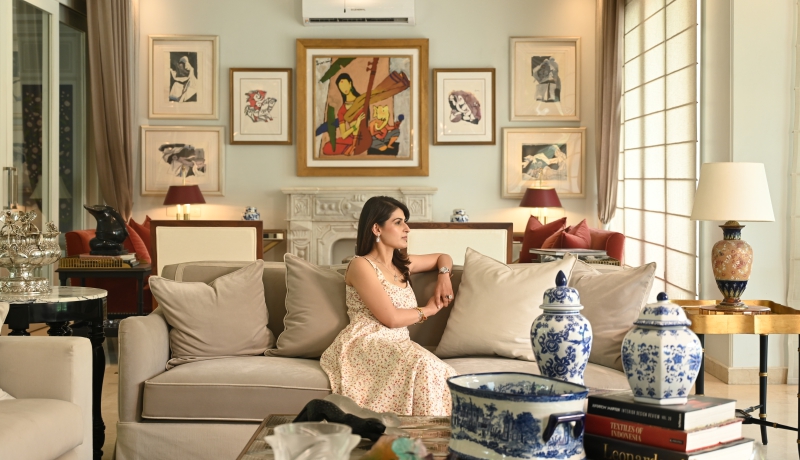
Every collector has a tell. A way of looking at a room that others don't quite share.
The Story of Things is an invitation into these intimate worlds of collecting. Each chapter follows a custodian
-
Posted: July 20, 2026
 Read more »
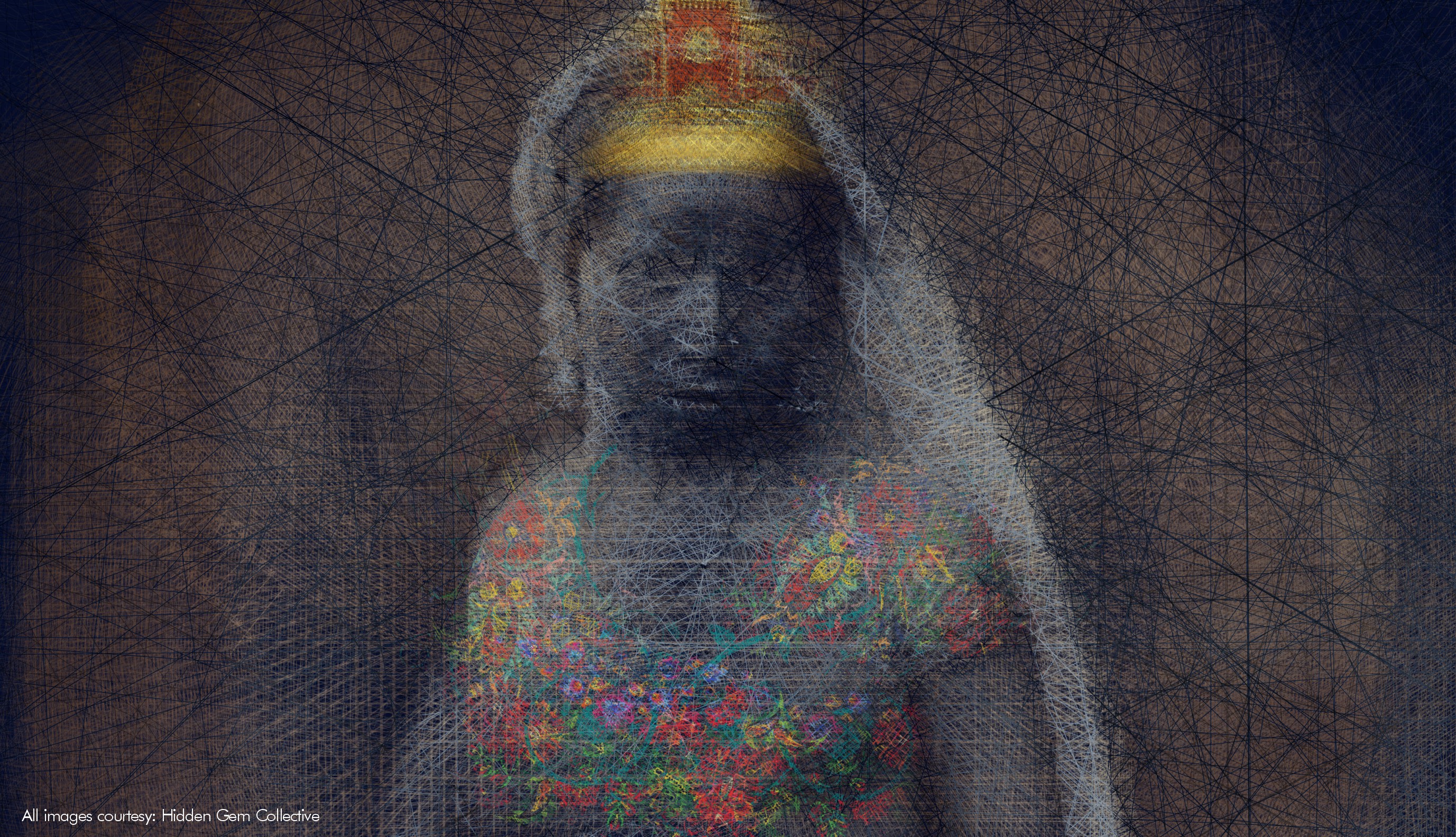
In an era where visibility often dictates value, some of the most compelling artistic voices continue to exist at the margins, working beyond the glare of the mainstream, creating art narratives that are universally resonant. Hidden Gem Collective emerges in this space, as a
-
Posted: June 24, 2026
 Read more »
This series offers a closer look at the lives and practices of contemporary creatives, tracing the references, routines, and cultural touchstones that inform their work. Here, we visit Siddhant Bothra - designer, founder of Home of Chirmi,
-
Posted: May 07, 2026
 Read more »
Based in Kerala, Neytt by Extraweave, founded by Sivan Santhosh and Nimisha Srinivas, draws from a legacy of carpet-making that dates back over a century. In 1917, K. Velayudhan established the Travancore Mats and Matting Company, laying the foundation for what would become a global export house for finely crafted rugs and carpets.
For the fourth time, Neytt brings this lineage to the Met Gala, merging heritage craftsmanship from Kerala with artistic expression from New York to create the canvas for fashion’s biggest night. This year’s theme, Fashion Is Art, accompanies the Costume Institute’s exhibition Costume Art, inviting designers to approach fashion as a living, moving artwork, blurring the l
-
Posted: April 27, 2026
 Read more »
Inheritance is rarely just what is given. It is what is absorbed, reinterpreted, and passed down over time. Within the mother-child dynamic, this exchange becomes a living archive of instincts, aesthetics, and ways of seeing the world. Across the worlds of design and art, these pairings reveal how influence moves in both directions, and is continuously re-authored.
-
Posted: April 14, 2026
 Read more »
At first encounter, artist Bettina Krieg’s works appear almost mechanical, defined by repetition, precision, and a sense of optical illusion. Look closely, and the illusion softens. Each line reveals its own rhythm, subtle deviations, and seeming uniformity. What seems architectural begins to unravel into nuance, an artistic language that’s distinctly hers. Step back, and the composition shifts again, inviting new interpretations and illusions.
Discovered by our founder Astha at a gallery in Hamburg, Bettina’s work resists literal interpretation, instead opening an expansive visual field – open to the viewer’s perception. In conversation with The House of Things, Bettina reflects on rhythm in drawing, time, and the tension between control and intui -
Posted: March 18, 2026
 Read more »
Seen here: A wall of vintage plaques, paintings, frames, mirrors, and traveling temples, interspersed with a few contemporary pieces. Image courtesy Eina Ahlwualia
For its second chapter, The House of Things continues this series as a tribute to the art of collecting. Vintage objects, marked by fingerprints from another era and fragments of forgotten homes, carry gestures of care that have traveled decades. Through this journal, we honour modern-day collectors who preserve -
Posted: February 27, 2026
 Read more »
There is a certain restraint in French elegance, an ease that never clamours for attention yet commands it entirely. Rodolphe Parente embodies this paradox. Poised yet probing, cerebral yet sensorial, the Paris-based radical architect and interior designer arrived at The House of Things Gallery in Udaipur with the curiosity of a man who believes design begins not with answers, but with questions.