We use cookies to make your experience better. To comply with the new e-Privacy directive, we need to ask for your consent to set the cookies. Learn more.


Neo-Indianism: How A New Language of Living is Emerging in India
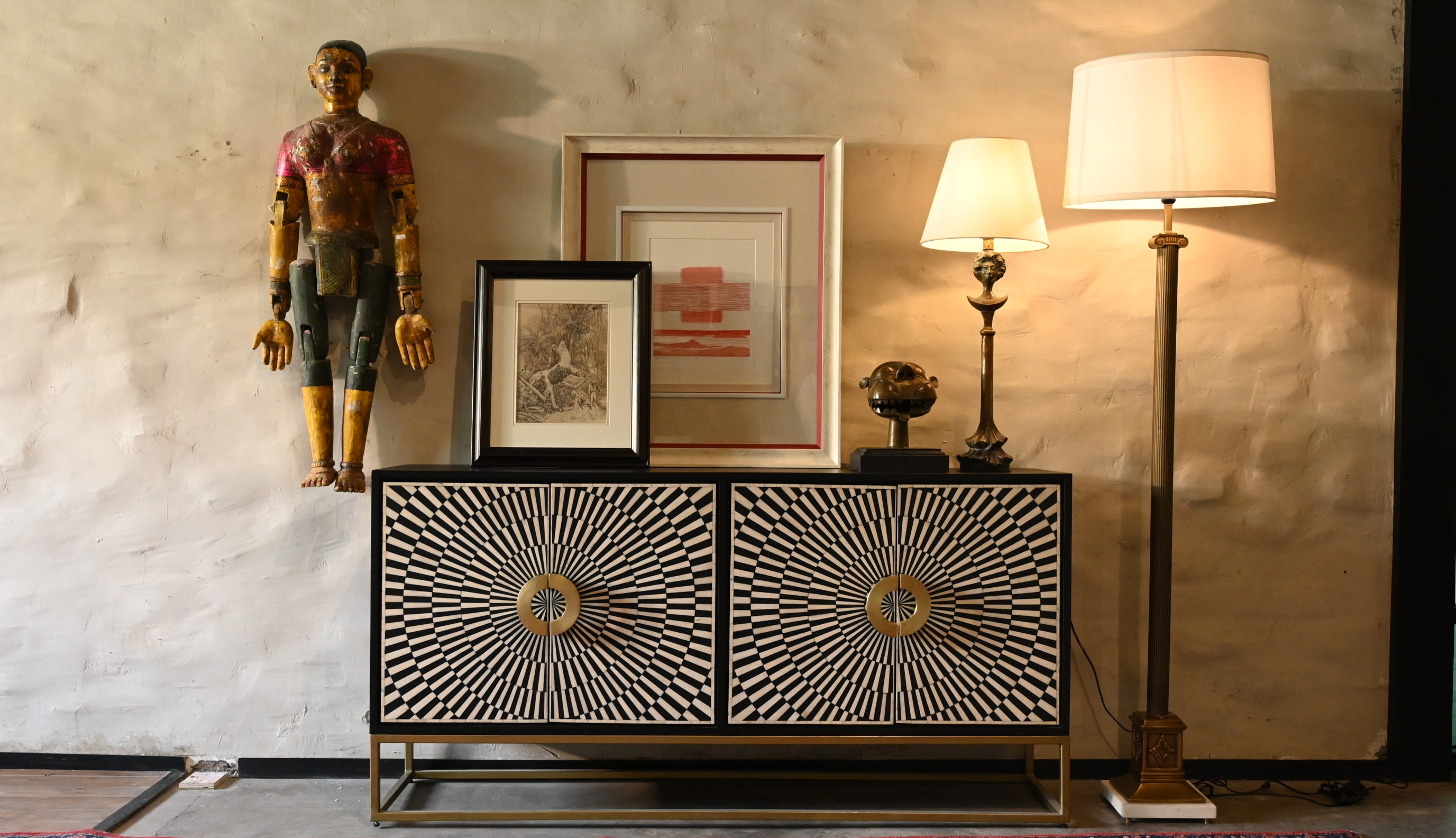
A new language of living is taking shape. Modern Indian homes are finding a way back to their roots. Not a return, but a reinterpretation.
For decades, "Indian design" meant a choice: the heirloom or the modern piece, the handcrafted or the considered, the past or the present. Neo-Indianism refuses that choice. Here, a grandmother's brass finds its place beside a contemporary metal form. A hand-carved door frame opens into a room built on modern minimalism. Craft now sits beside modernity, unbothered and uncompromised.
A celebration of homes where culture is lived, craftsmanship is cherished, and contemporary design is shaped by memory as much as modernity.
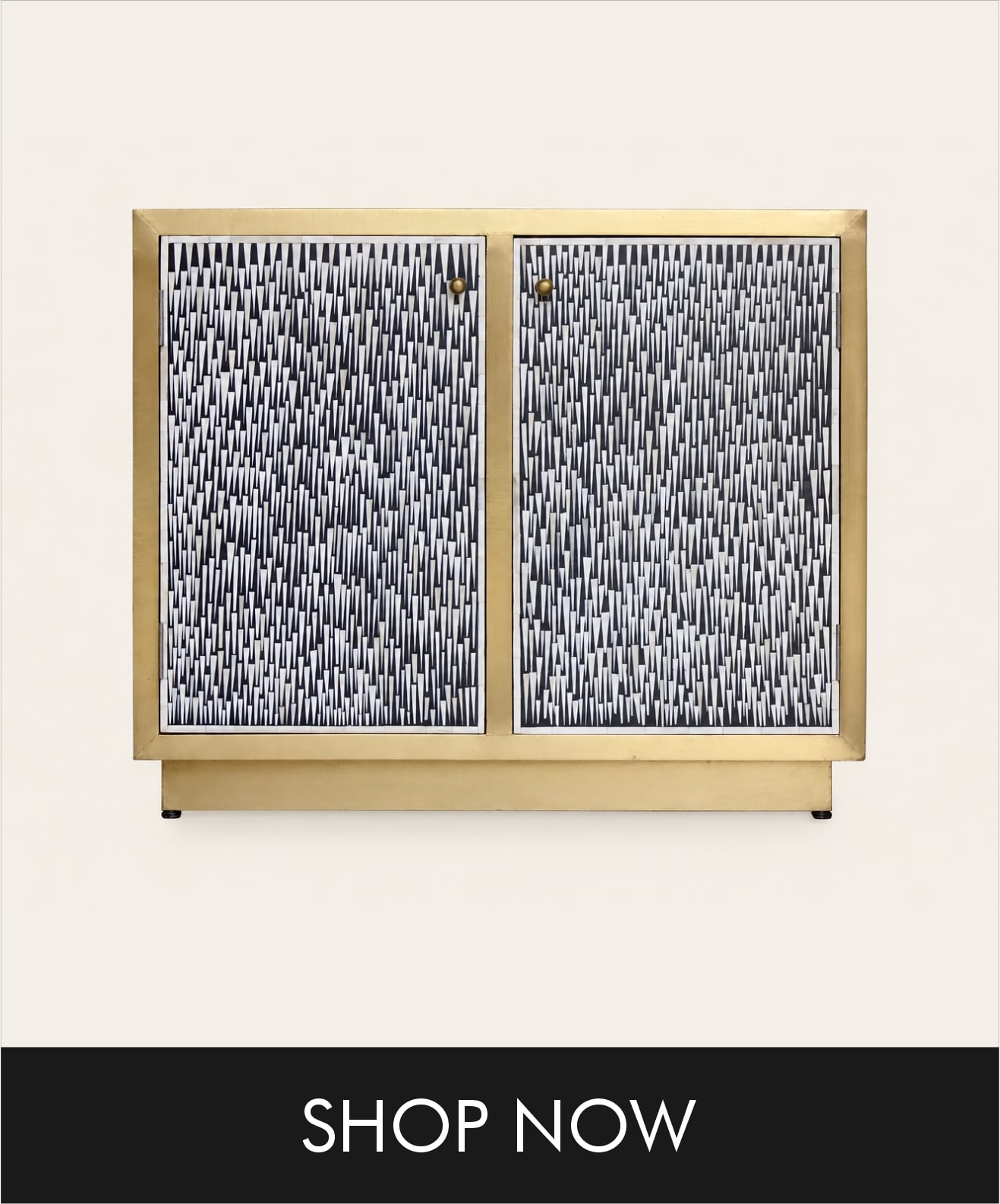


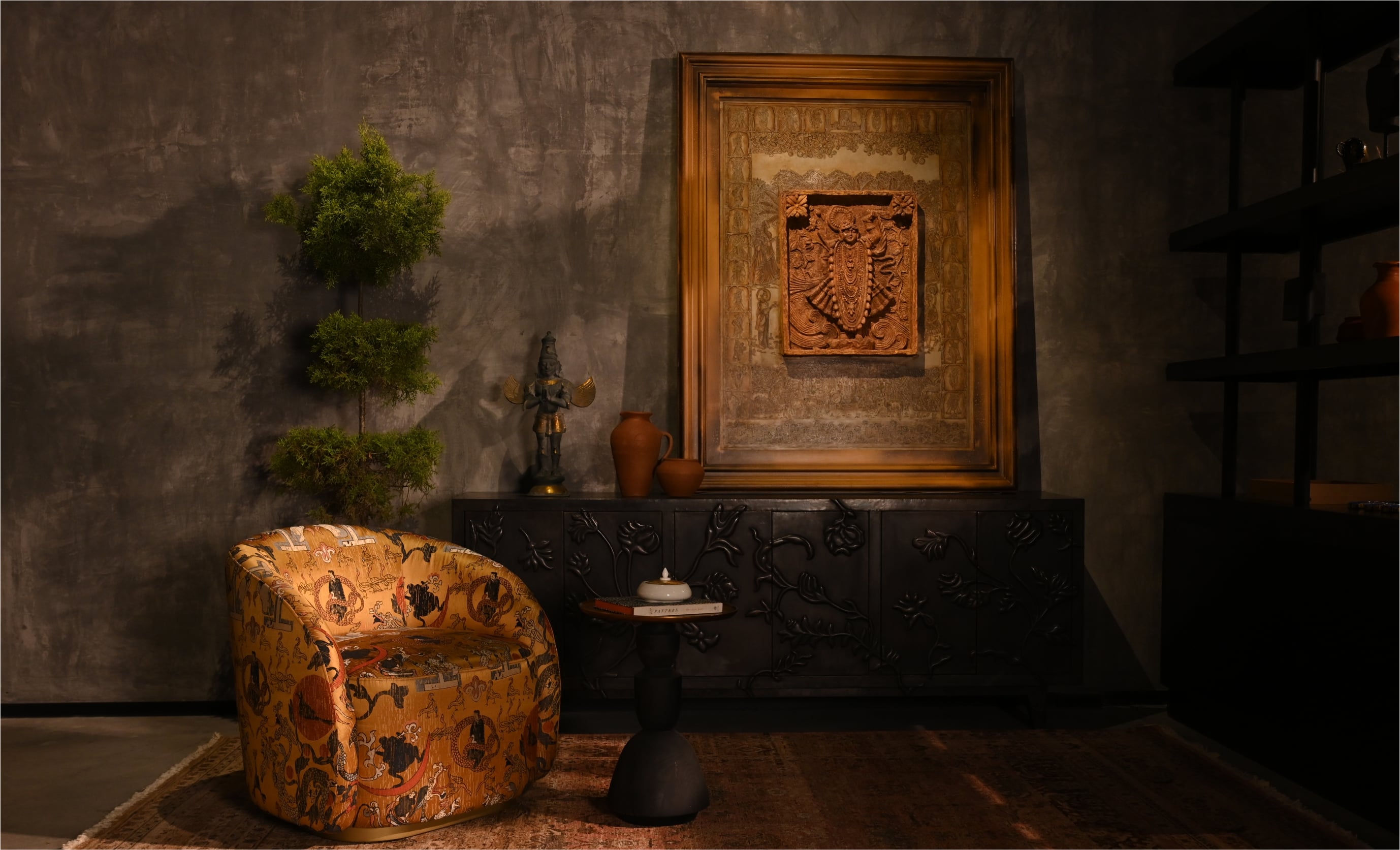
A corner that holds three centuries and doesn't flinch.
Neo-Indianism is tradition in conversation with the present.
Nothing here is doing one job. The console is storage and sculpture. The wall art is devotional and decorative. The chair is seating and spectacle. Strip any one piece out and the room would read as controlled, put them together, and the restraint disappears. That's the argument this space makes without saying it: India was never minimal because nothing in its visual language was ever built to stand alone.
It's accumulation with intention, a room that remembers everyone who furnished it.
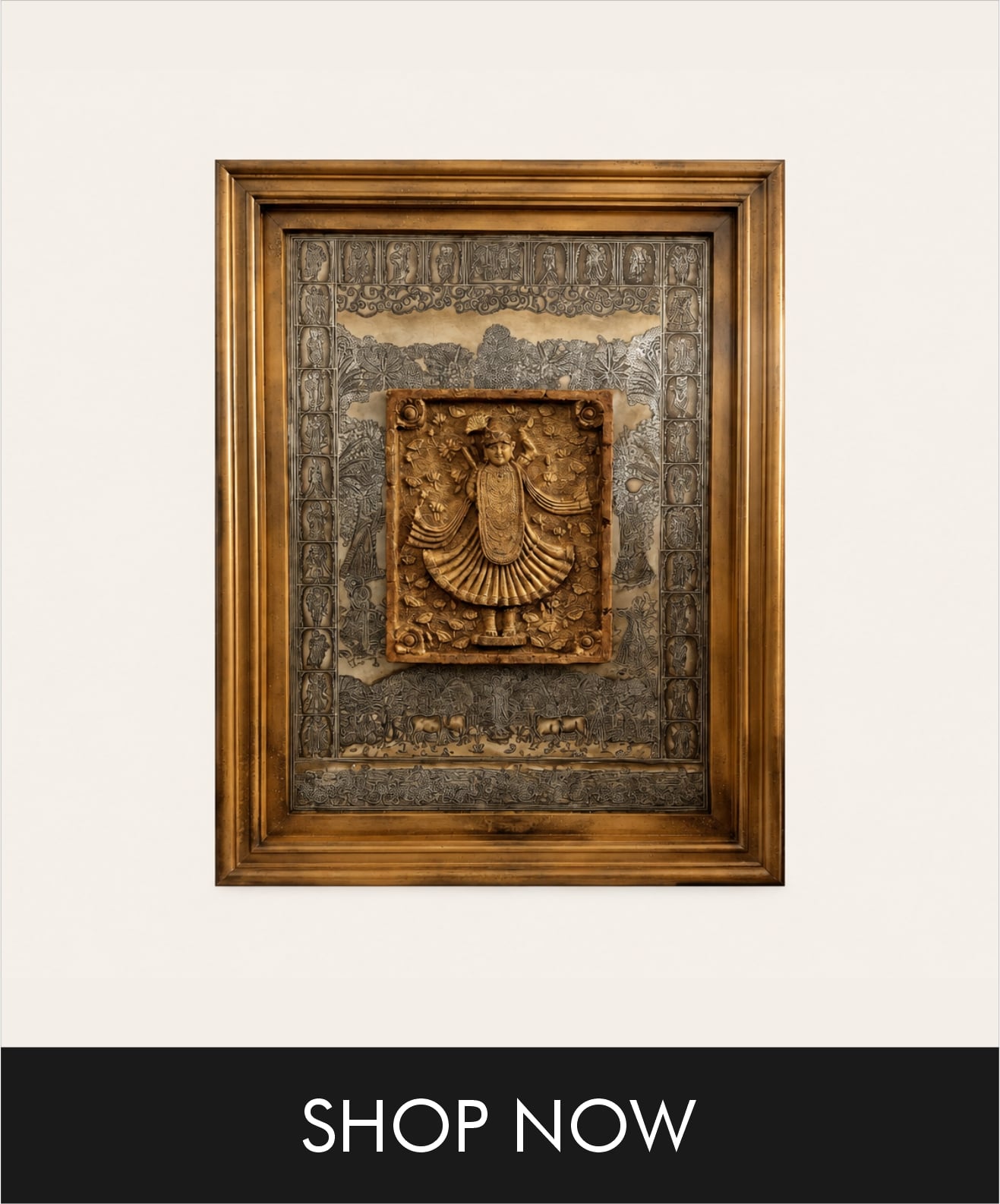

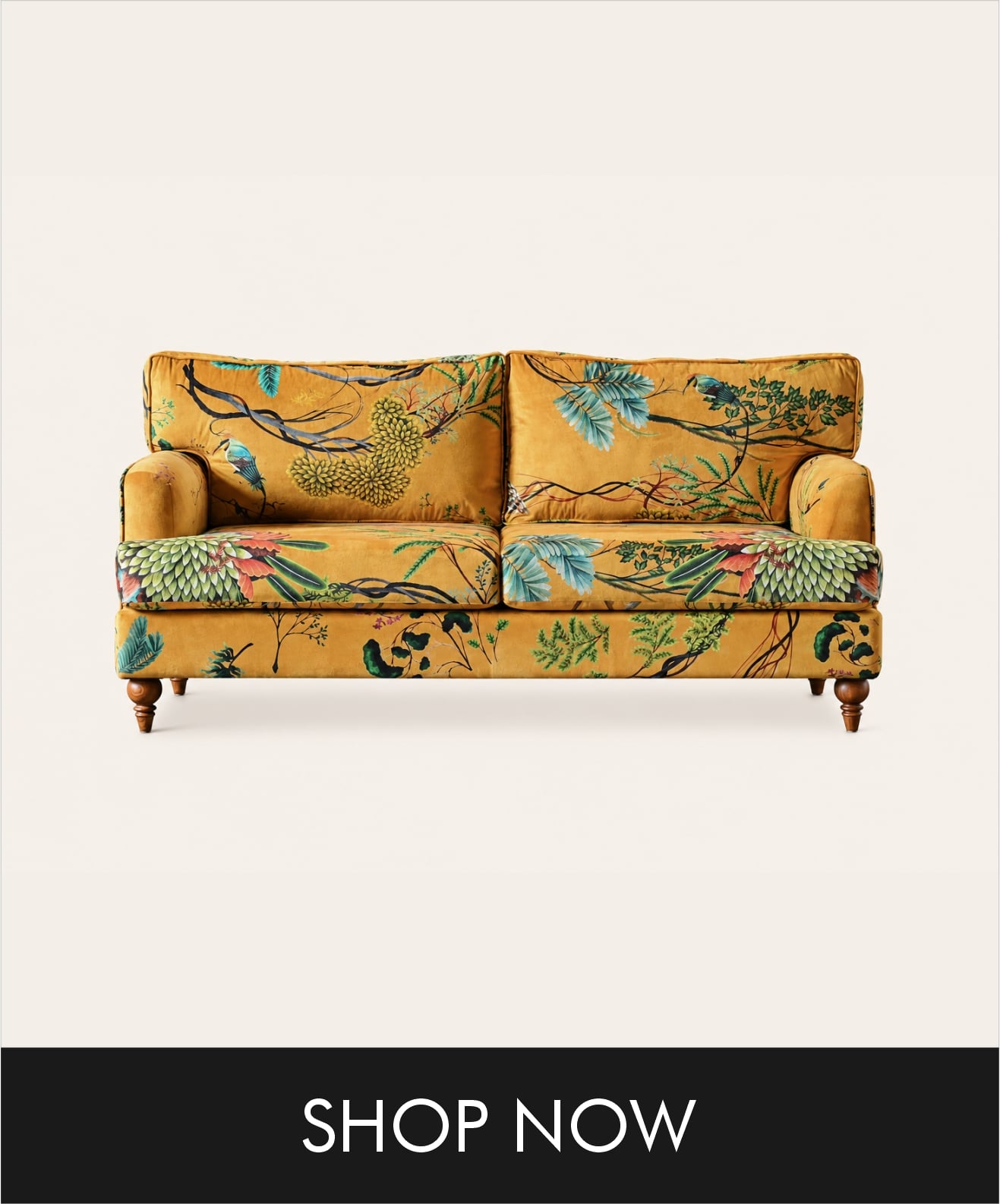



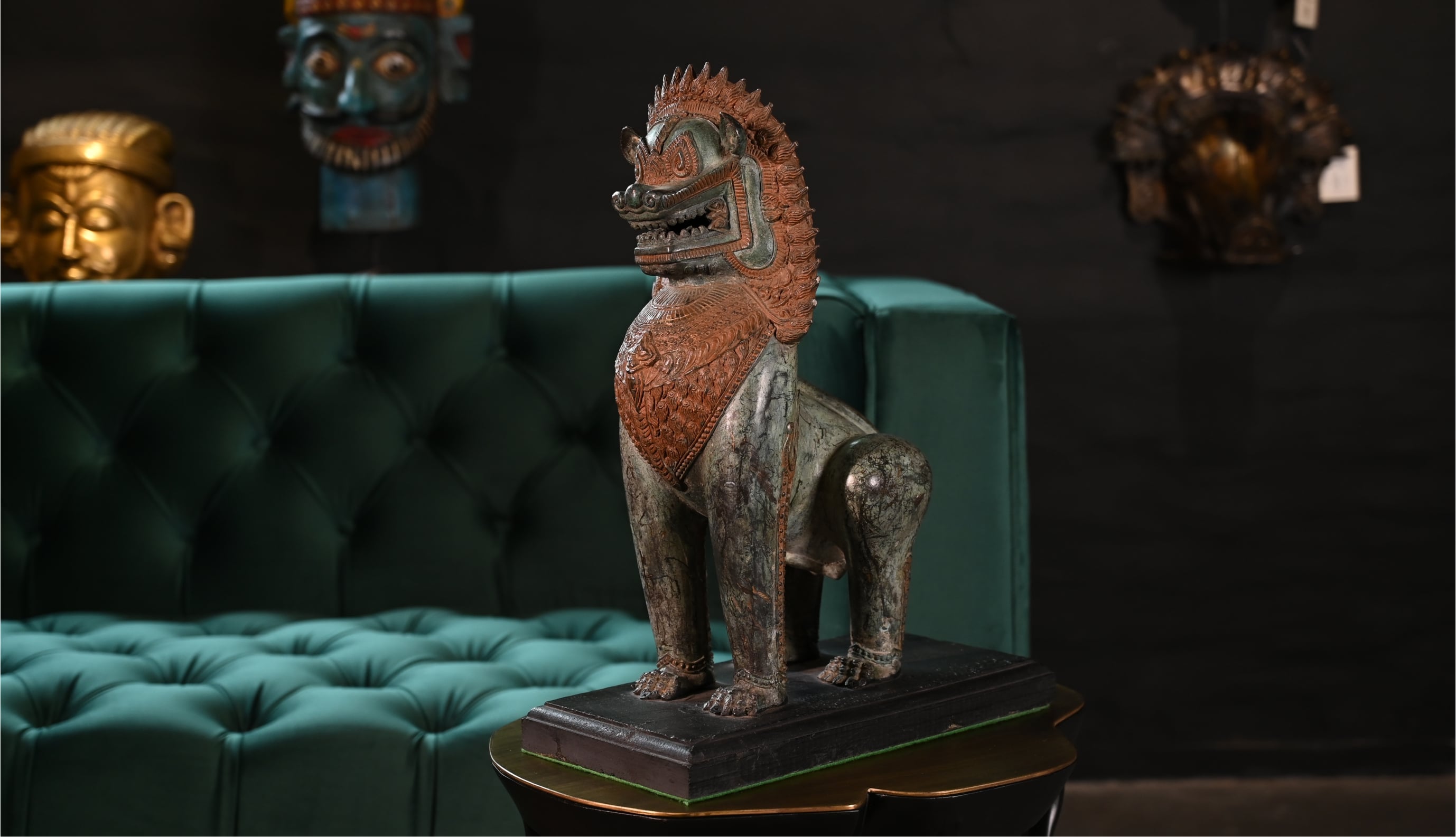
A Khmer guardian lion, centuries in its stance. A velvet sofa, decades old at most. Neither one arrived to match the other, and neither has to.
The homes we're watching are built toward identity - a room doesn't need to resolve into a single aesthetic to feel whole. It needs to hold what its owner values: the inherited and the acquired, the ornamental and the spare, the old language and the one still being written.
Here, a Khmer-style guardian lion holds its post, mane raised, teeth bared, stance unmoved by centuries. Behind it, a tufted emerald sofa keeps its own counsel. Neither defers. The lion doesn't soften for the room, and the room doesn't quiet down for the lion. What holds them together is the same instinct: to keep what matters and build the rest around it.
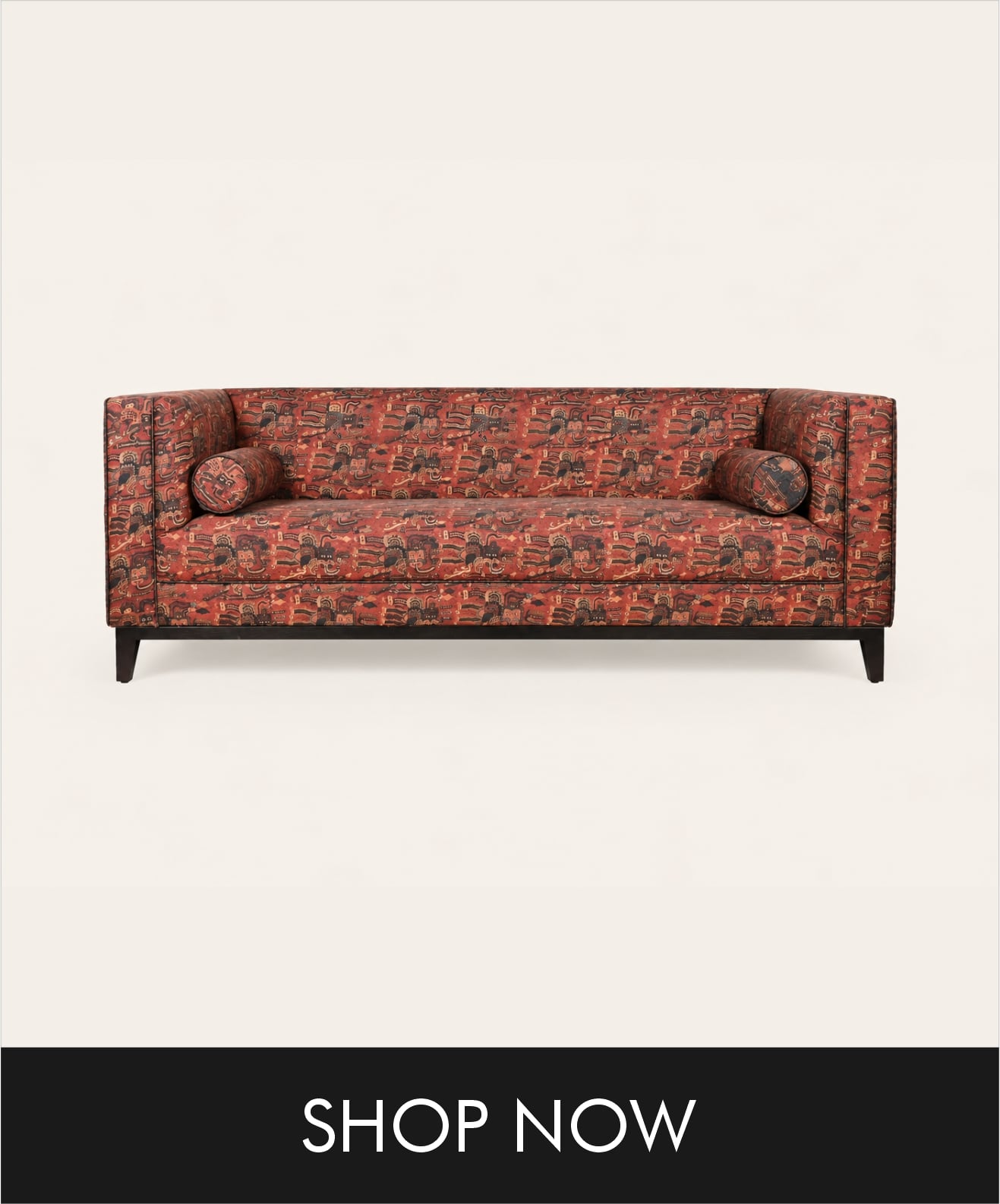
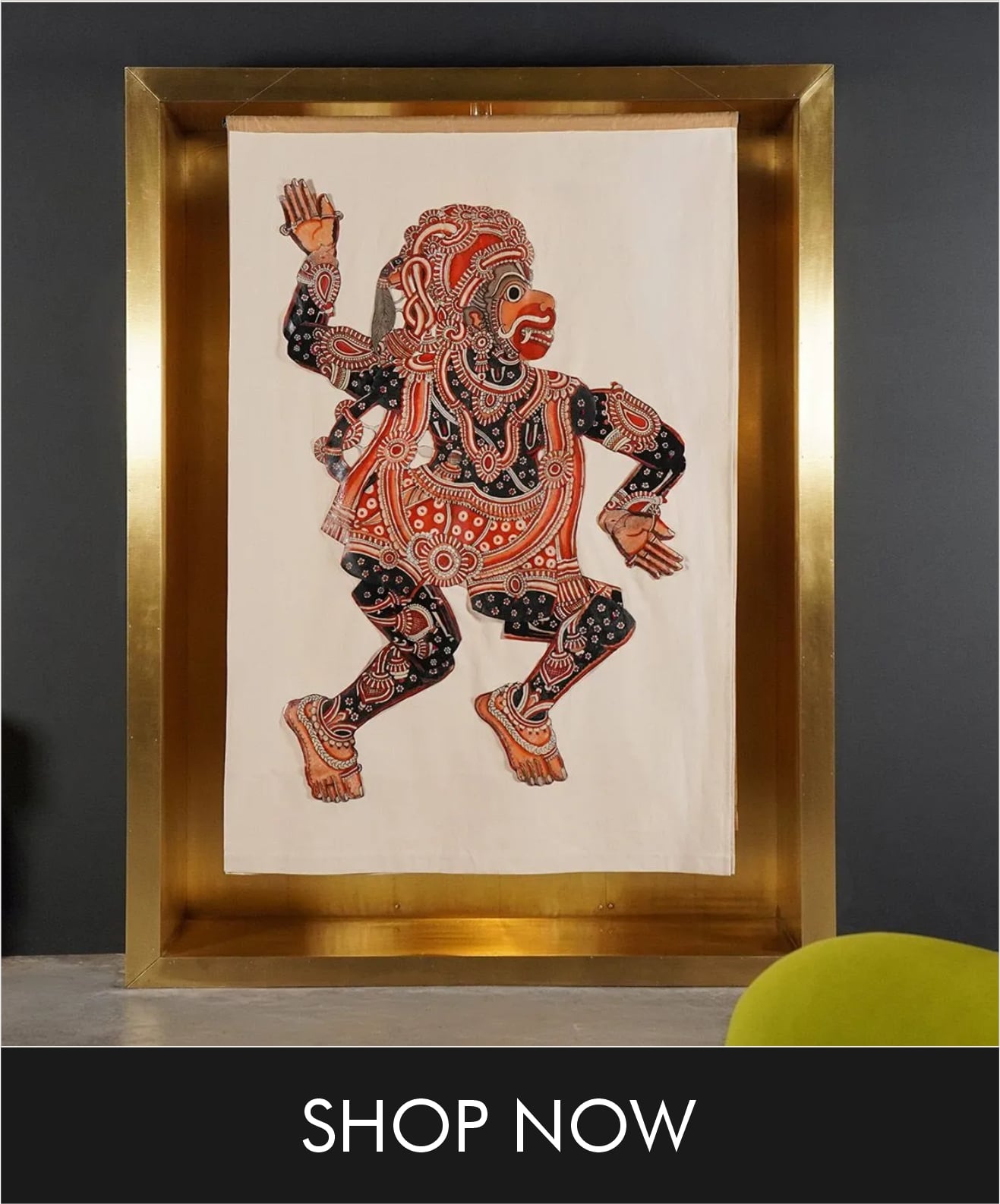
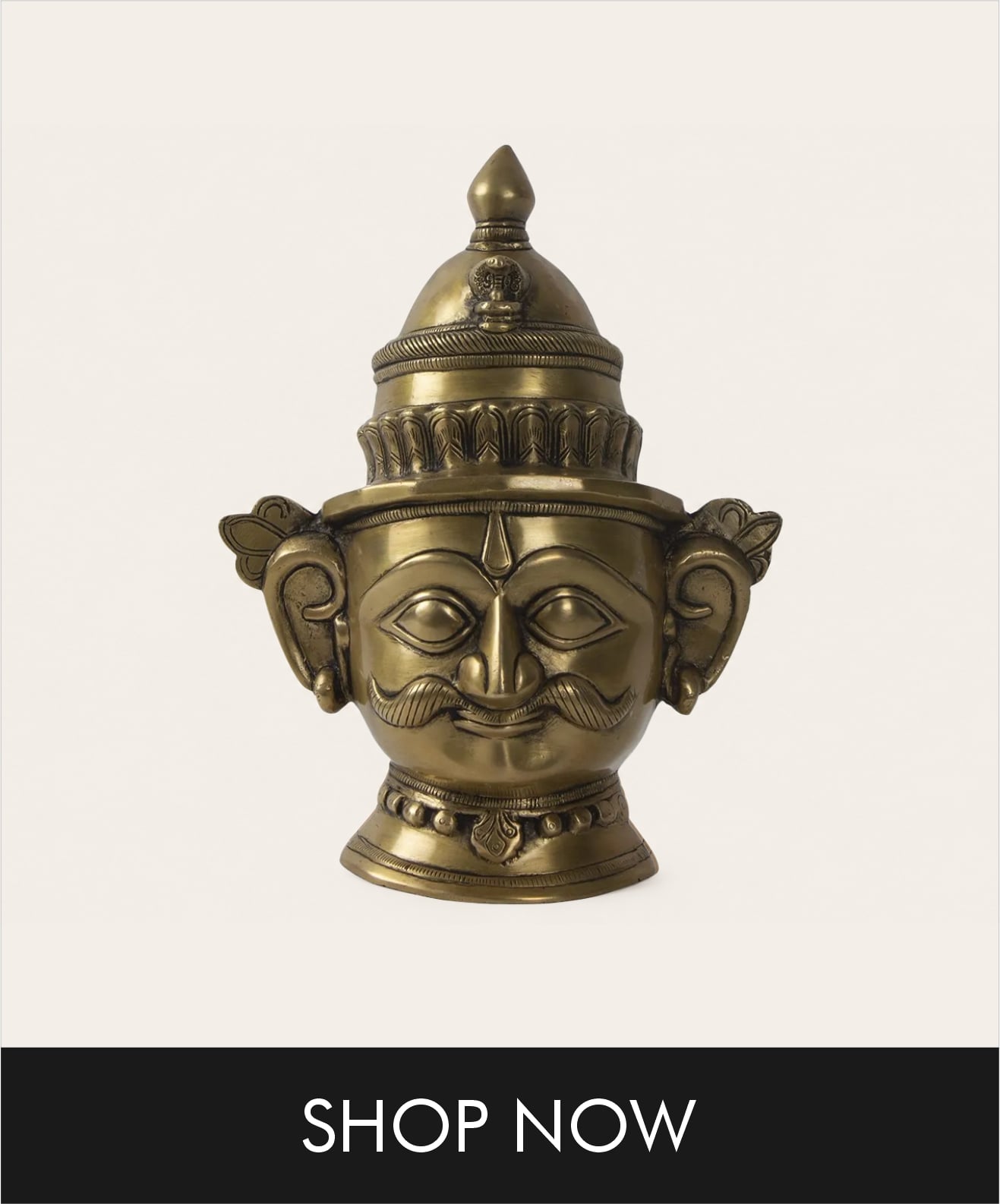
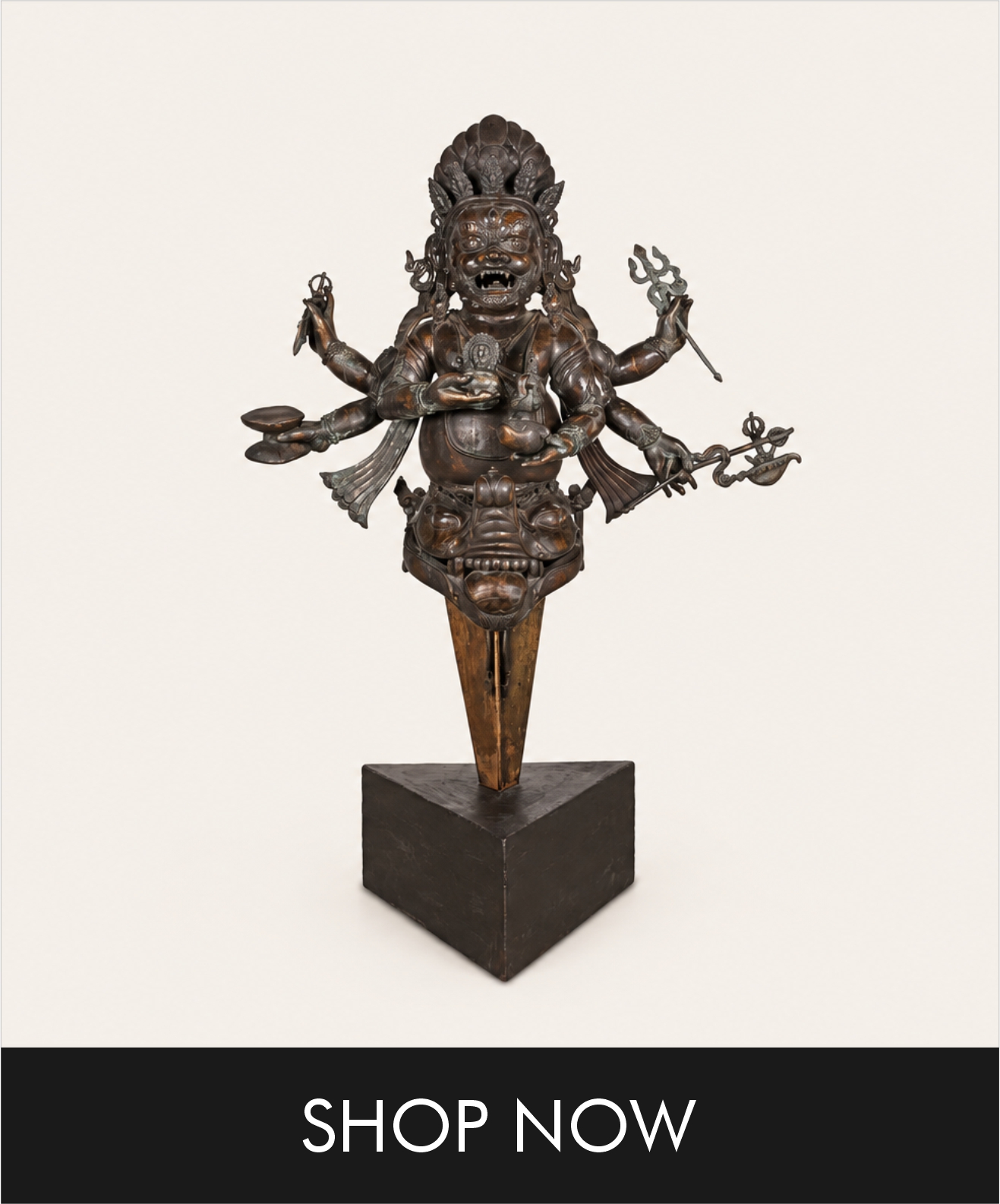
THE NEO-INDIANISM PLAYBOOK
Beyond minimalism, a new design language is emerging - one rooted in warmth, individuality and a renewed appreciation for craft. Today’s most compelling interiors are not defined by what is new, but by what carries meaning: objects with provenance, materials with soul and craftsmanship that reveals the hand behind the making.
Here are our curated insights and practical tips to help you get there.
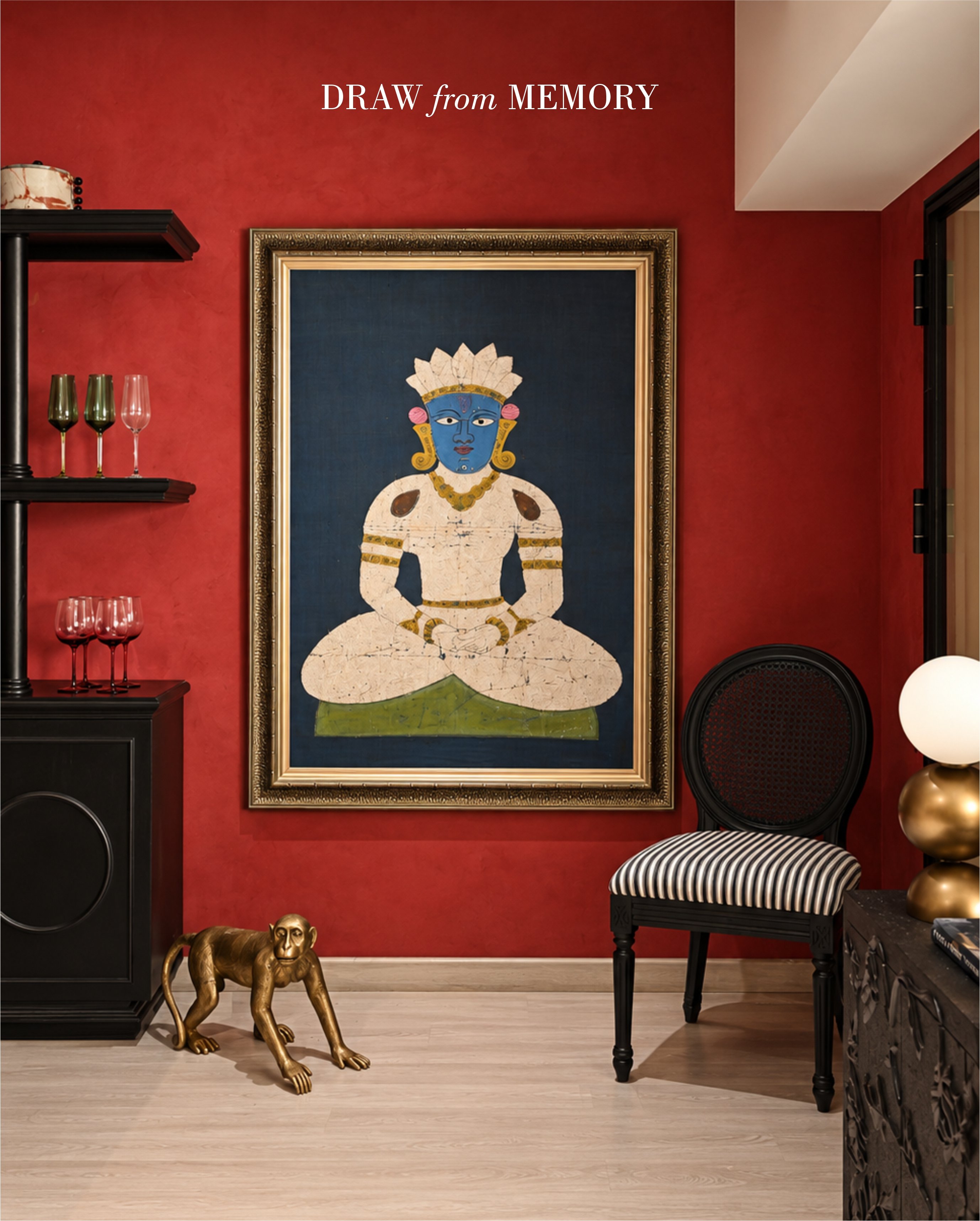
The traditional Indian home was designed around family, gathering, and a sense of belonging. Layer handcrafted pieces, timeless materials, and objects with provenance into modern interiors, creating spaces that feel current yet deeply rooted.
Colour Beyond Convention
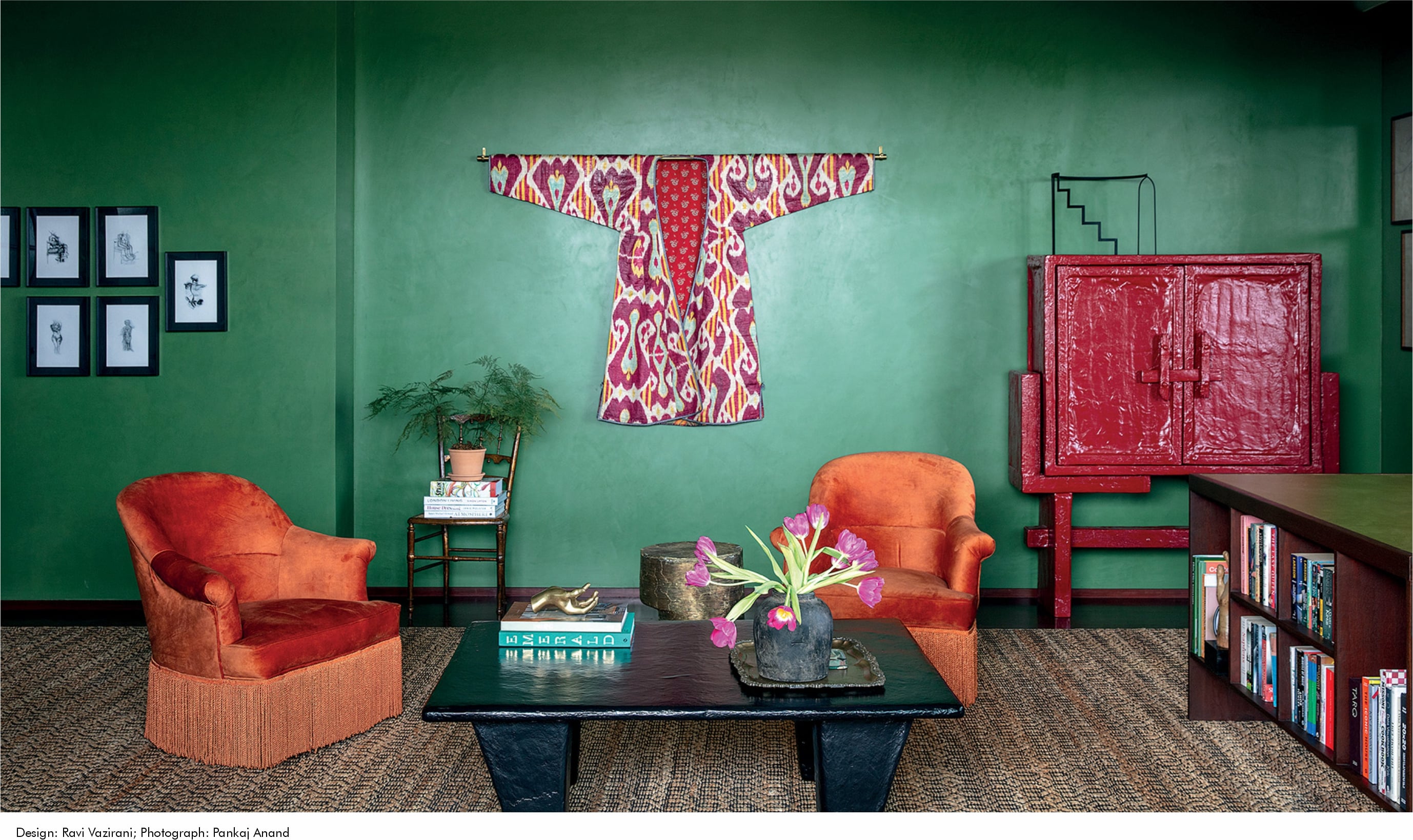
Forget the rules of muted palettes. The Indian homes of yore have long celebrated colour as an expression of culture and emotion. Neo-Indianism reinterprets this legacy by pairing bold tones with sculptural forms, artisanal surfaces, and contemporary silhouettes.
Curate the Unexpected
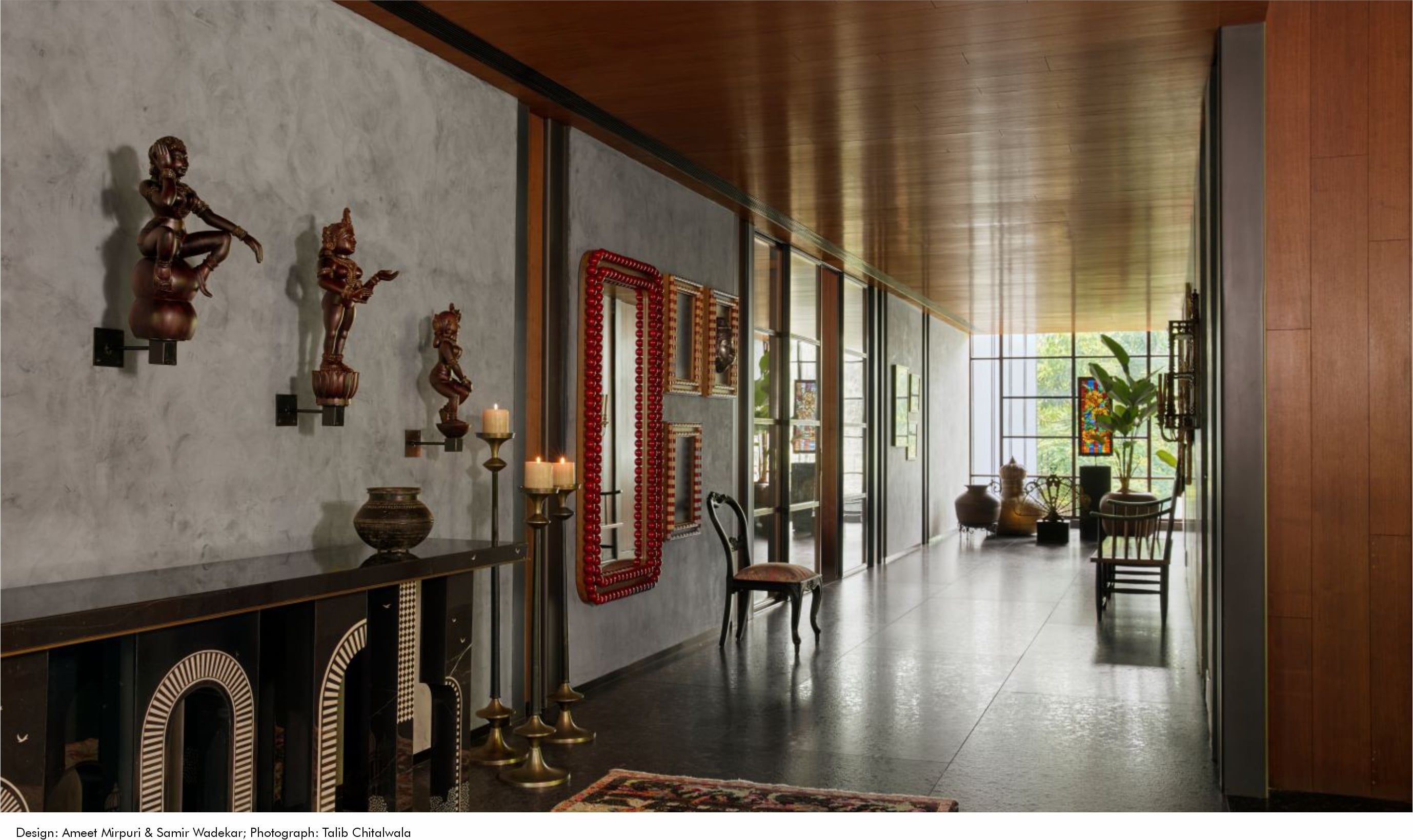
Character lies in contrast. Pair timeworn heirlooms with abstract art, handcrafted objects with contemporary silhouettes, and rich woods with rough stones. These thoughtful juxtapositions create interiors that feel dynamic rather than decorated.
A Passport to Personality
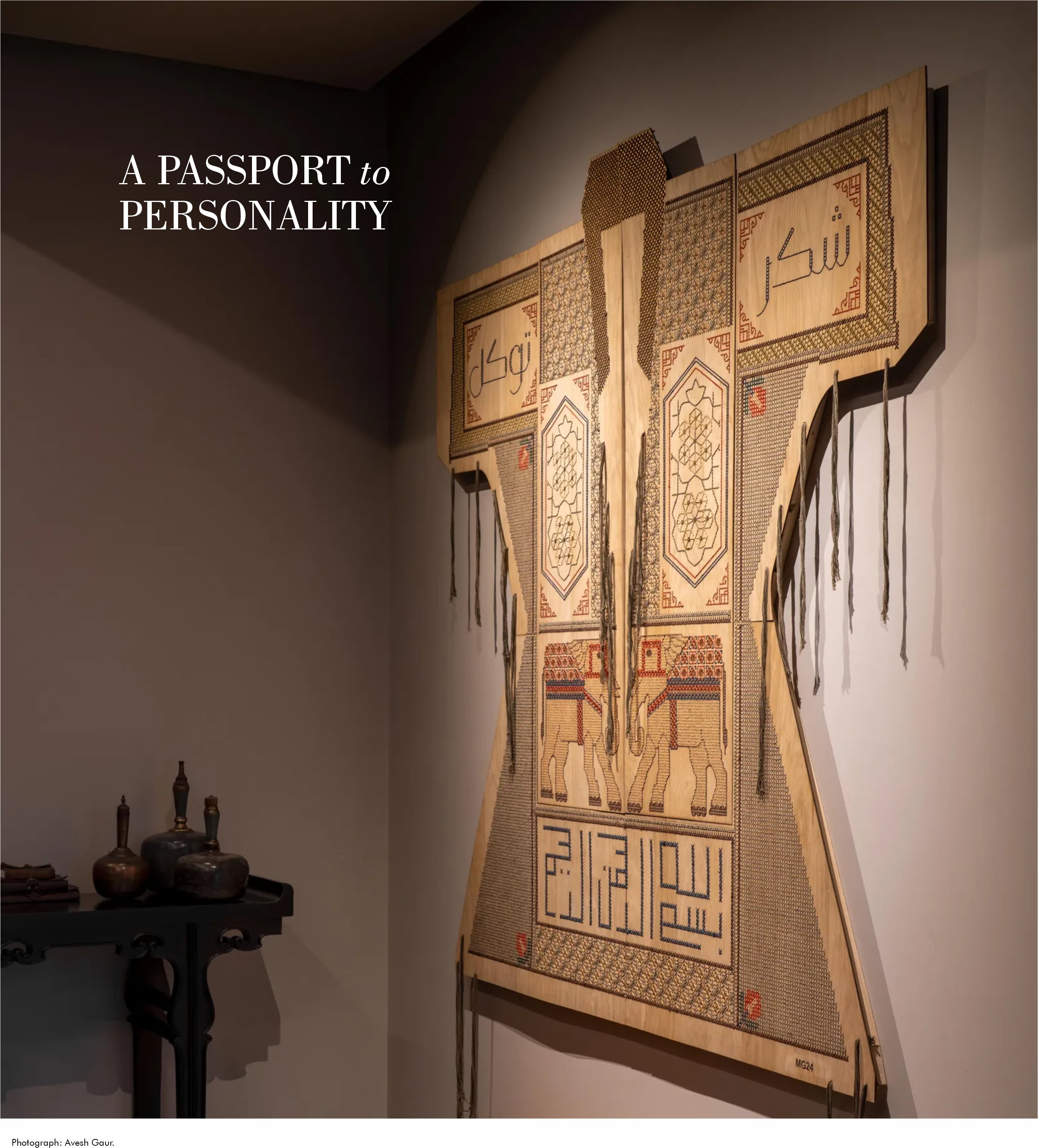
An old Afghani Jama that designer Mayyur Girotra has designed into an installation on wood and veneer. Bearing the Arabic words for patience, love, faith and ‘God is one’, it is one of the many spiritual elements in the home. Photograph: Avesh Gaur.
Objects gathered during travel carry an authenticity that cannot be manufactured. They imbue spaces with memory, provenance and the traces of cultural exchange - quiet reminders of places encountered, stories shared and worlds discovered. Over time, they transform a home into something more personal: an ever-evolving narrative of where we’ve been and what we’ve brought back with us.
Roll out the Carpet
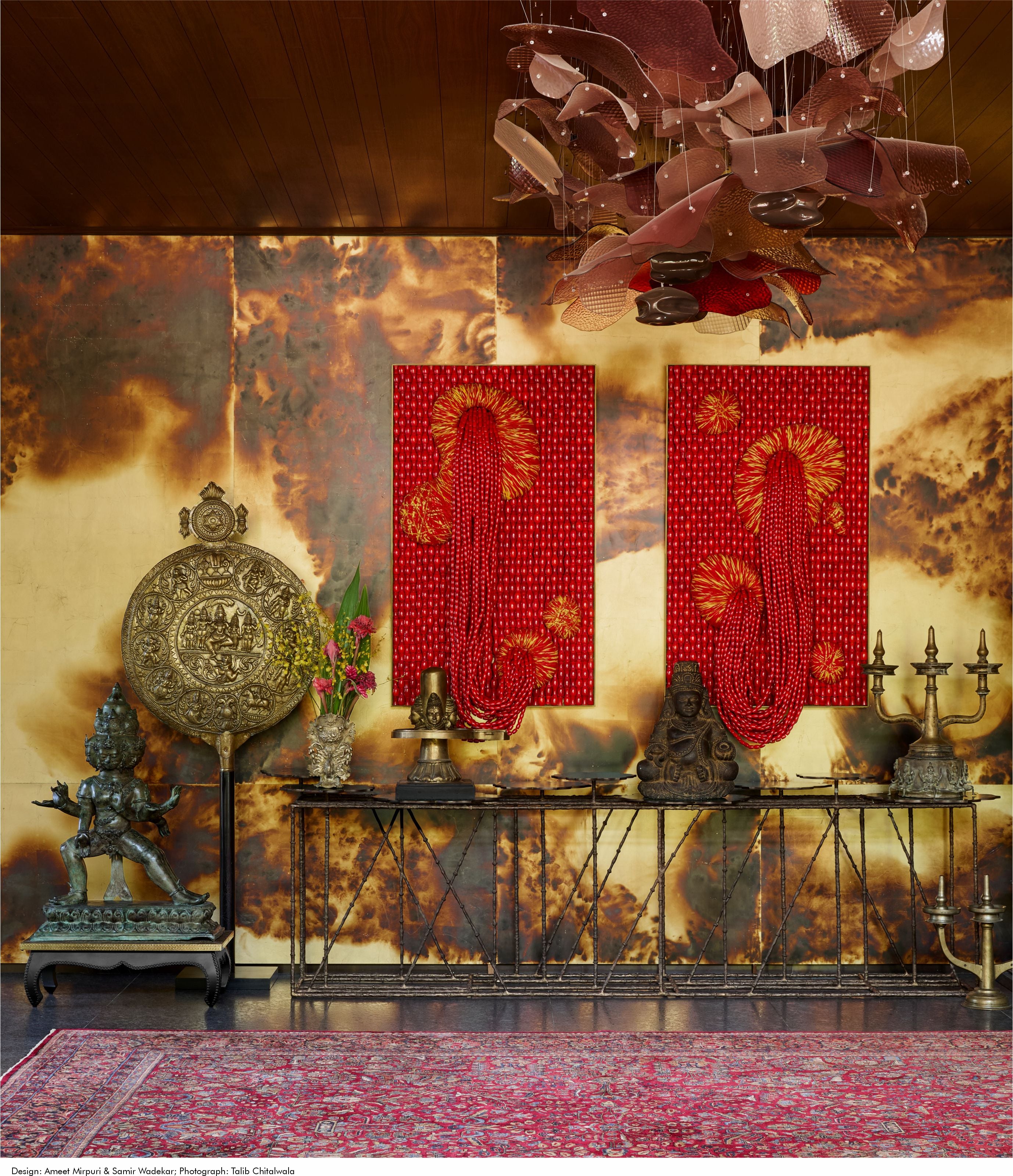
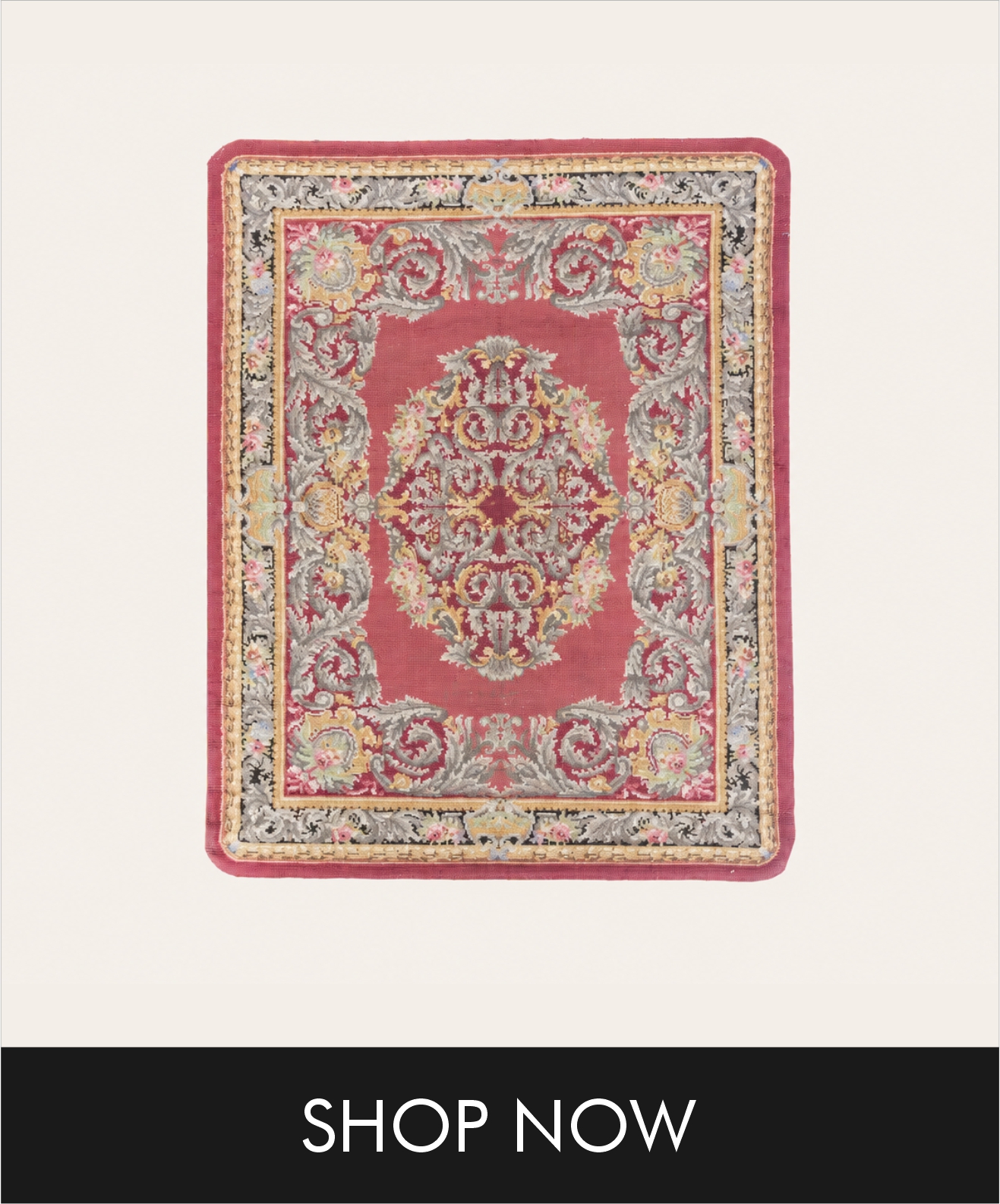
A handmade rug is more than a decorative layer - it is the foundation upon which an interior takes shape. Whether woven in luminous silk or earthy wool, it introduces texture, colour, and craftsmanship while anchoring every object around it. Hang it like a work of art or ground the room in its style.