We use cookies to make your experience better. To comply with the new e-Privacy directive, we need to ask for your consent to set the cookies. Learn more.


THE ART OF FRAGRANCE

Long before the age of minimalism and moodboards, we marked spaces through scent. Temples perfumed with frankincense. Royal courts veiled in attars. Salons where citrus and myrtle trailed behind every silk hem. Fragrance, for centuries, has shaped ritual, hierarchy, and belonging. It was the first architecture of emotion, hanging not on walls but in the air. Even now, scent is often the first impression of a space, lingering longer than the décor itself.
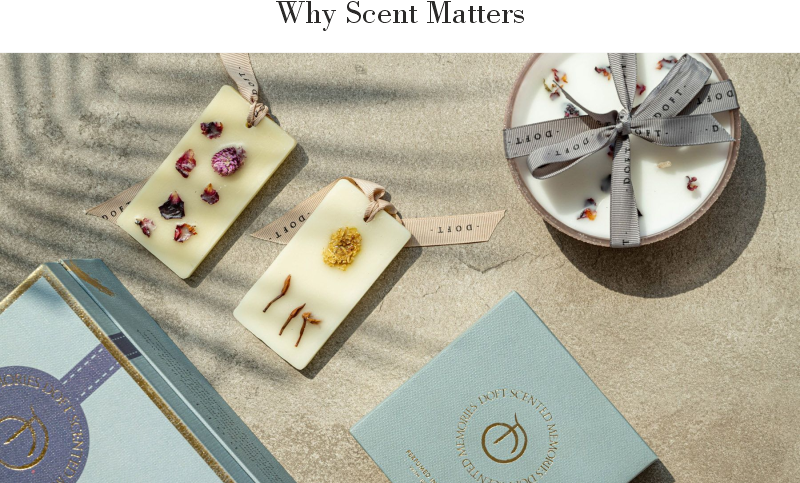
There’s no need to quote science on limbic response. We’ve all had that moment: peeling a fresh orange and being eight years old again, barefoot in the sun. The power of scent lies in its invisibility. It rearranges mood, sharpens memory, and paints rooms in notes we can’t quite name. The right aroma doesn’t just scent a space, it tells a story before we even enter the room.
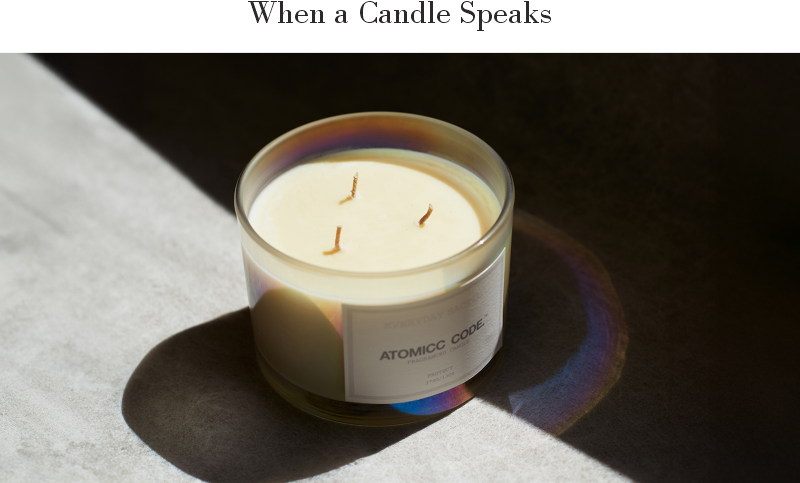
A scented candle is more than wax and wick, it is tempo and tone - citrus that cues morning, fig leaf for late afternoon, vetiver or oud when night folds in. The burn itself becomes ritual: striking the match, waiting for the first curl of fragrance, letting it linger as company arrives or solitude sets in. A candle is a pause with a scent trail.
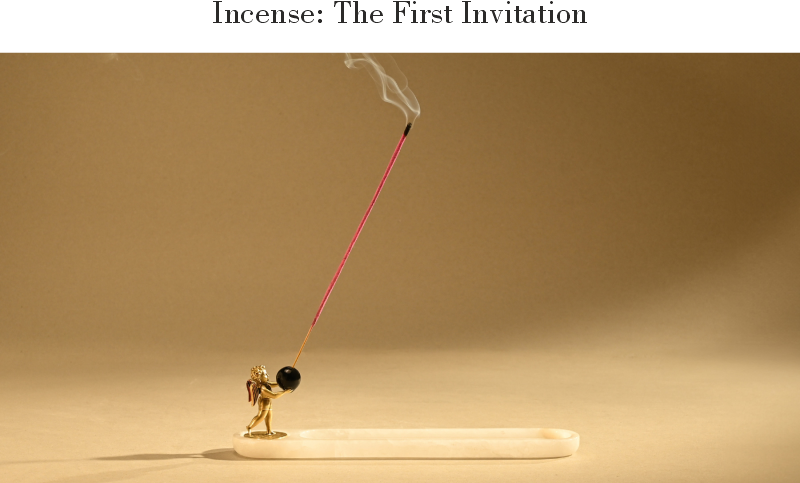
There’s something ancient in the way incense enters a room. Its smoke doesn’t fill space, it trails, grazes, drifts. The first inhale is soft, almost imperceptible, and yet the atmosphere shifts. Used best in entryways, reading corners, or sacred nooks, incense works like a whispered greeting, its memory clings quietly to thresholds and sleeves.
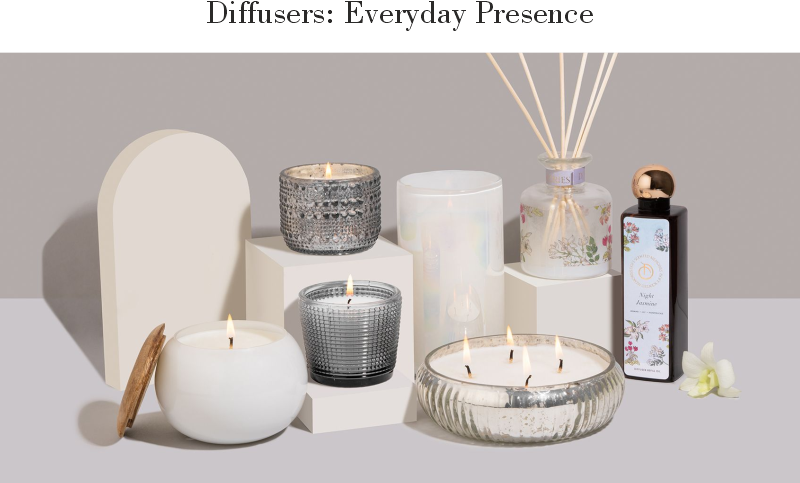
Diffusers do not demand attention. They hum in the background, creating an atmosphere that is constant, calm, and contained. Perfect for rooms that hold long hours and everyday routines, a reed diffuser may not turn heads, but it sets the undertone. Think of it as an ambient scent - always there, never insistent.
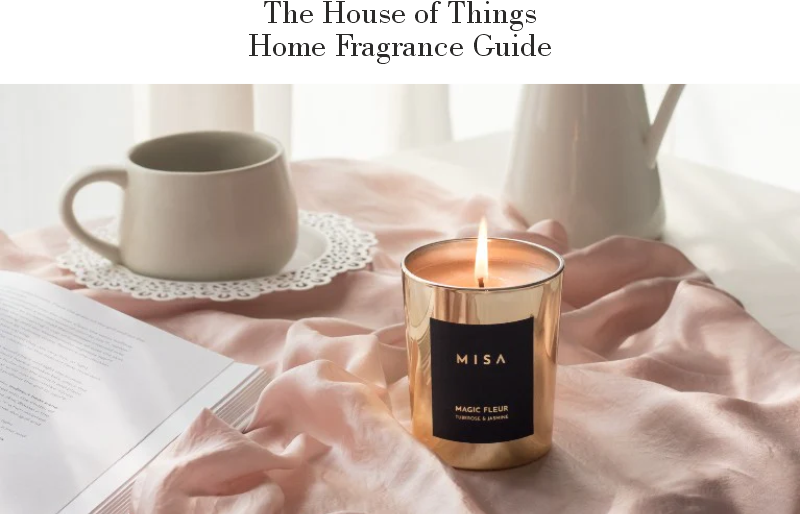
- Signature Entrances: Let your home have a scent that becomes its calling card. Not loud, just present. Guests may not know what it is, but they’ll remember how it felt.
- Seasonal Sensibility: Rooms need not smell the same year-round. Rotate notes like you would textures: citrus and basil for summer, moss or tobacco for colder months.
- Layer, Don’t Overwhelm: Begin with a base diffuser. Add a candle when you want to mark time. Mist drapery or upholstery with a soft spray just before guests arrive. The art is in the slow build.
- Scented Objects as Decor: A ceramic pod, a marble bowl of botanicals, even a sculptural incense holder, these are olfactory pieces that also occupy space beautifully.
- Rooms with a Nose: Let scent speak to utility. Herbal greens in the kitchen, woods and resin in the living room, lavender or musk in the bedroom. Make every room breathe its own atmosphere.
- Don’t Ignore the Powder Room: Washrooms are often the most scent-sensitive spaces, and the most easily forgotten. Use subtle, continuous scent sources her - like a discreet diffuser or incense coil. It’s the smallest room that carries the sharpest memory.
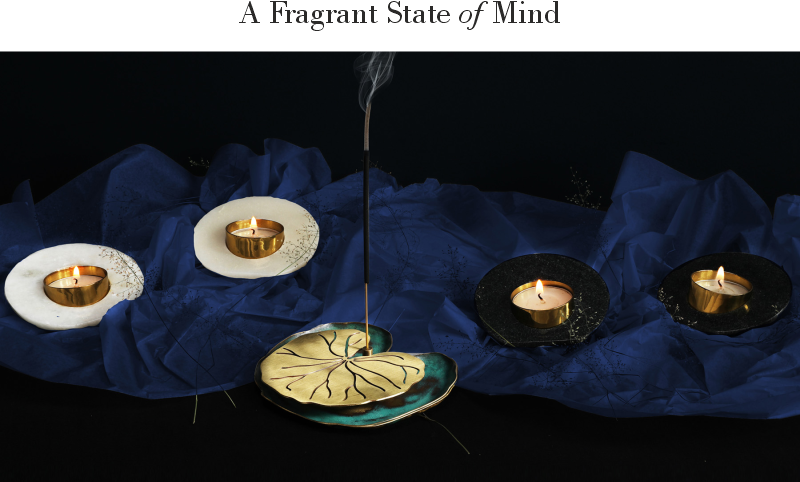
To scent a space is to script its emotion. Beyond décor or design, it’s a quiet gesture that shapes how we feel, pause, and remember. Begin small - a candle, a wisp of incense, a whisper of clove - and let the room speak.
DISCOVER FRAGRANCES
AT THE HOUSE OF THINGS