We use cookies to make your experience better. To comply with the new e-Privacy directive, we need to ask for your consent to set the cookies. Learn more.


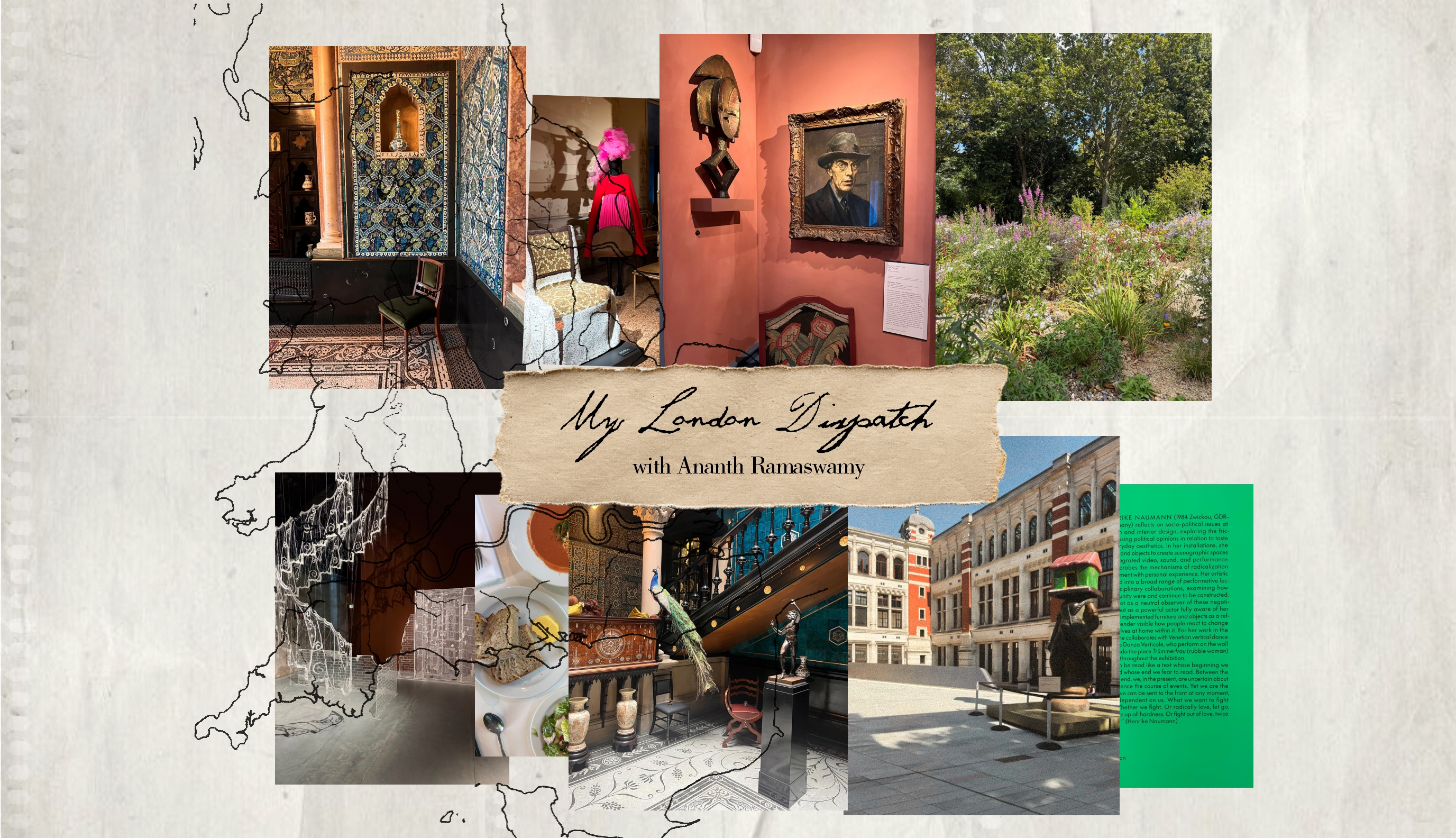
My London Dispatch with Ananth Ramaswamy
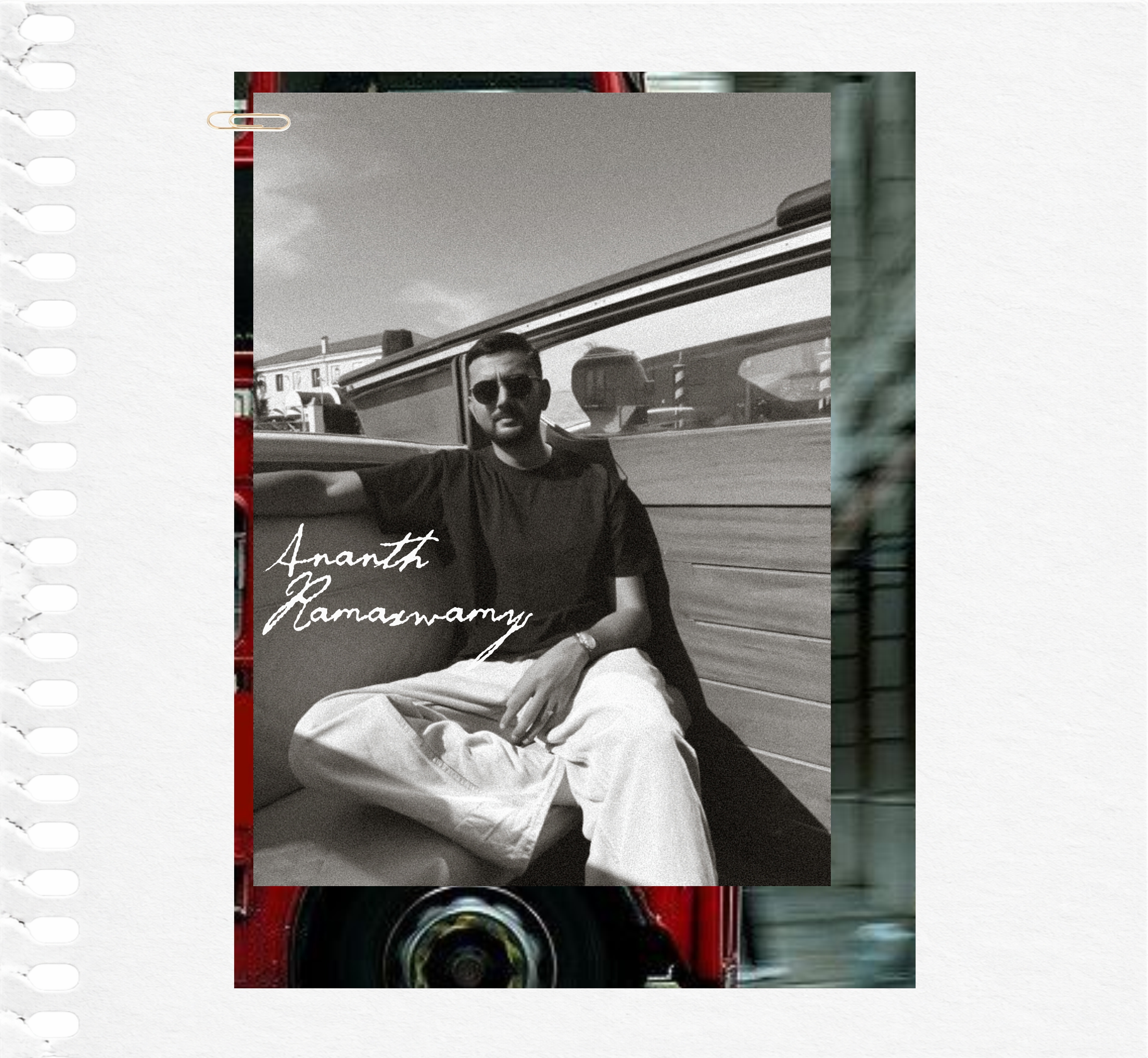
Drawn to London by the promise of architectural discovery, Ananth Ramaswamy arrived in the city in 2008 to study architecture at the Architectural Association, beginning a relationship with the city that would shape his creative vocabulary. Born in Bangalore, and the younger son of Chester’s founder M.V. Ramaswamy, Ananth brings a global perspective to the heritage of Chester’s India, moving between architecture, interiors, collectible design and art.
For this edition, Ananth returns to the London that first influenced him, sharing the places, details and discoveries that continue to inform his way of seeing. From architectural landmarks and quietly beautiful cafes to favourite haunts and cultural corners, this is his personal dispatch from a city that remains an enduring source of inspiration.
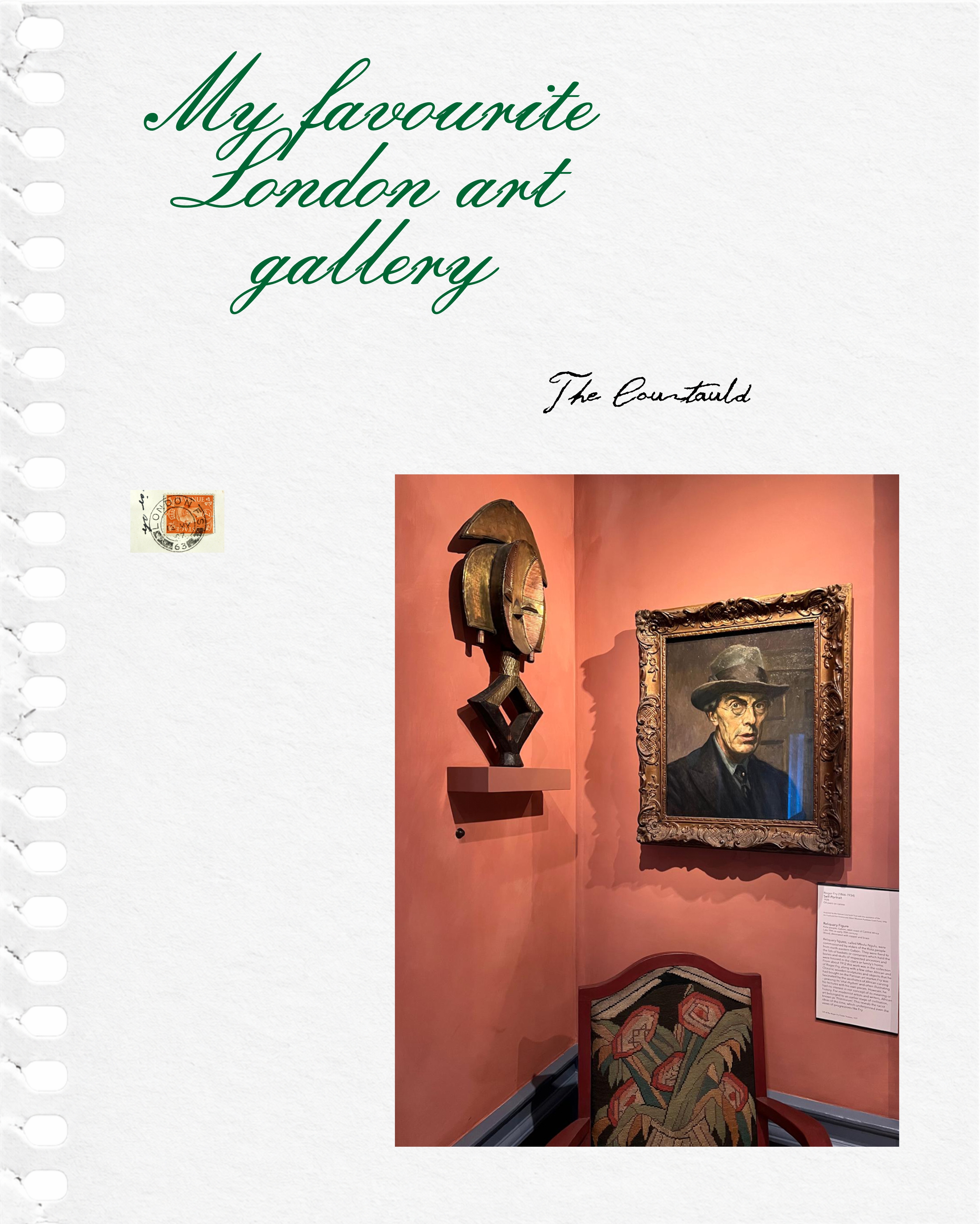
London has an extraordinary wealth of museums and galleries, but two places I return to for their very different approaches to art are The Courtauld and Serpentine Gallery. The Courtauld is particularly special for its exceptional collection of Impressionist and Post-Impressionist works - from Manet and Van Gogh to Cézanne - housed within the historic setting of Somerset House.
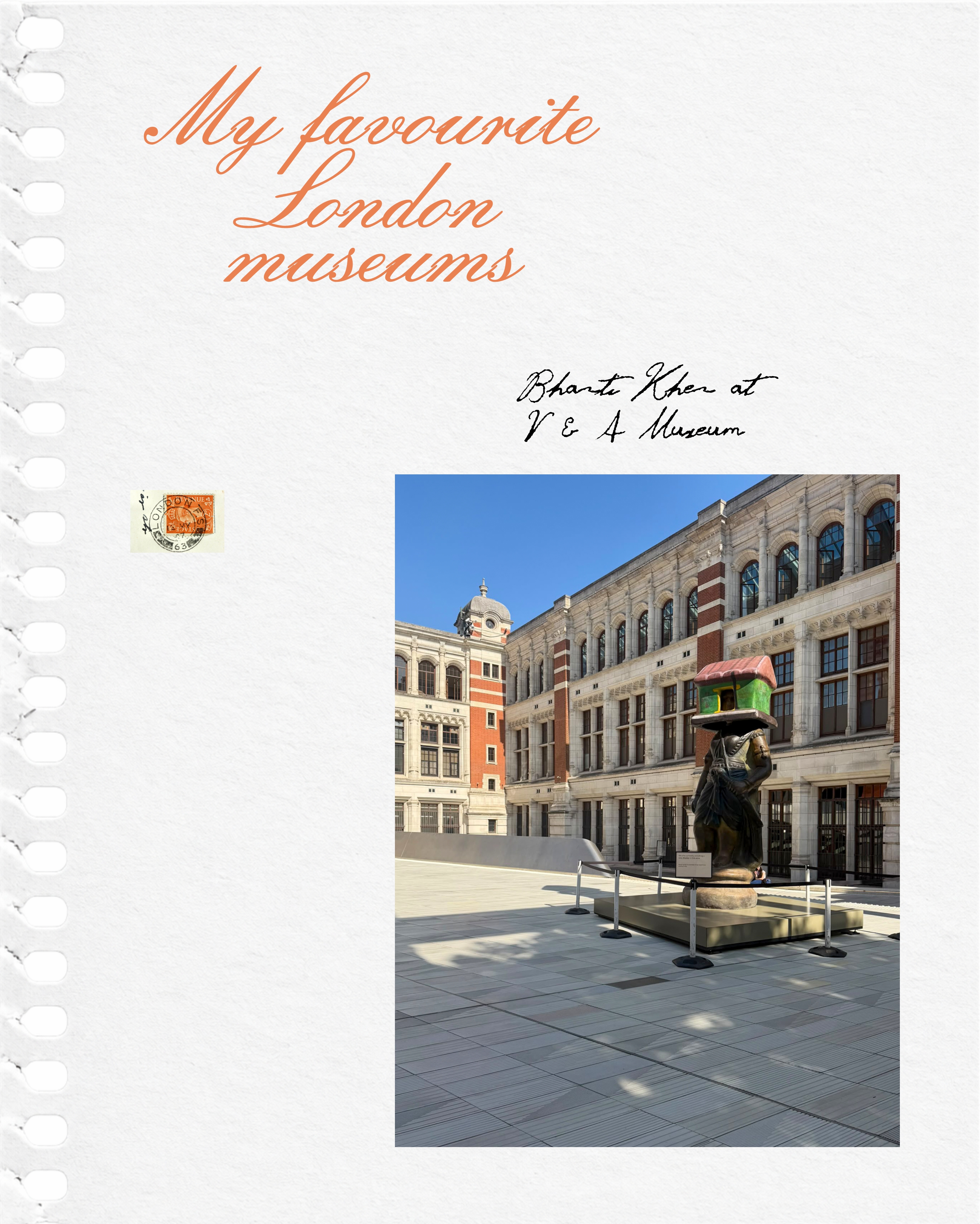
The V&A is probably the museum I return to most in London. What I love about it is the breadth of its collection - architecture, furniture, textiles, ceramics, sculpture, fashion and decorative arts all exist alongside one another. Coming from an architecture and design background, I find that cross-pollination particularly inspiring. I often find myself looking at historical objects not as museum pieces, but as references - studying their proportions, materials, details and craftsmanship.
Another favourite - Sir John Soane’s Museum is a completely different experience. Soane’s former home on Lincoln’s Inn Fields is itself an extraordinary architectural composition, filled with paintings, antiquities, furniture, drawings and architectural fragments. What I find fascinating is the way he arranged the collection: seemingly dense and eclectic, but always with an instinctive understanding of light, space and juxtaposition.
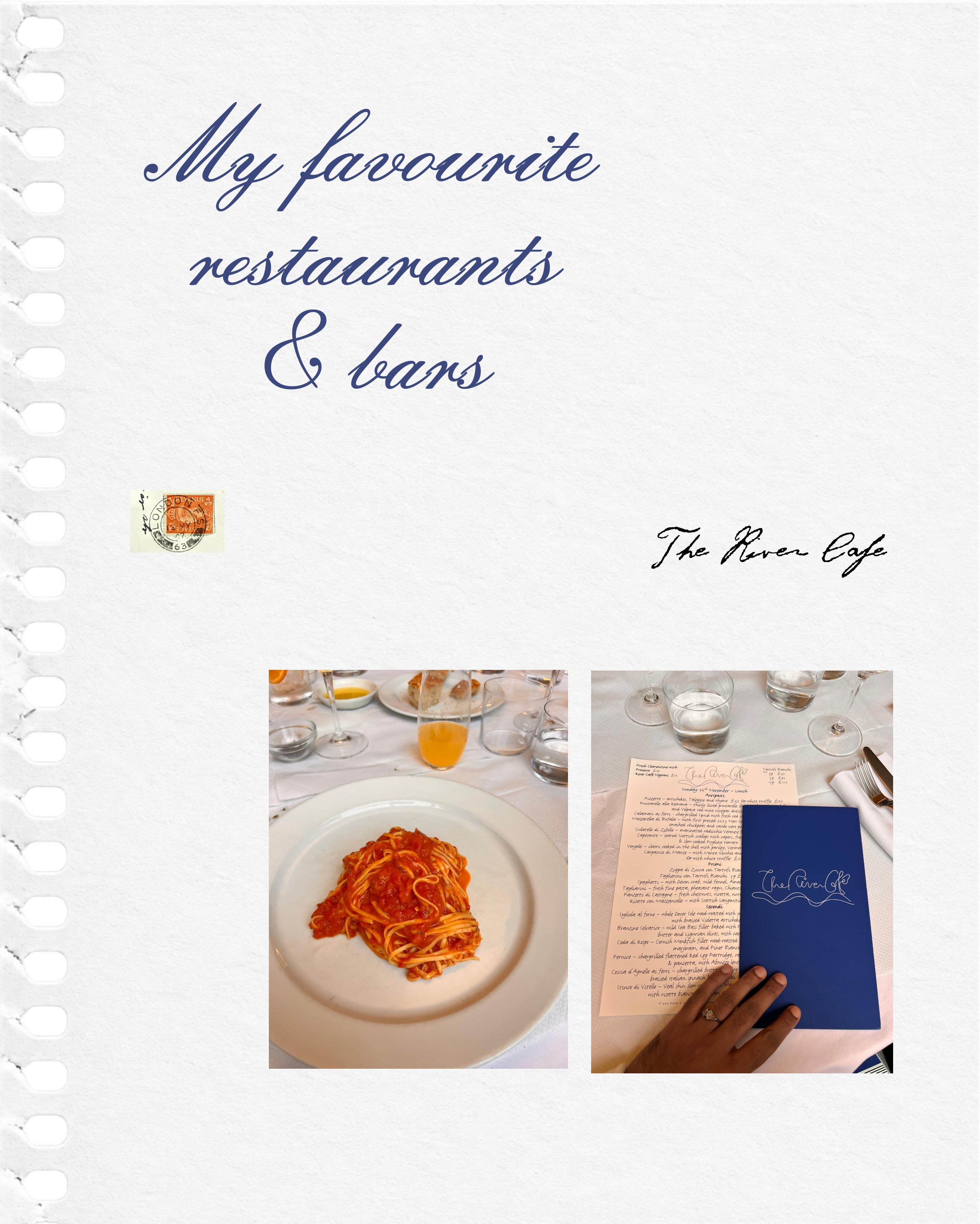
When I want a long lunch by the river, I find myself returning to The River Café. Sitting on the terrace, overlooking the Thames, the view is hard to beat, especially on a bright summer day. The cooking has the kind of simplicity I appreciate - honest Italian food built around exceptional ingredients. There is something very reassuring about the menu, whether it is fresh seafood, pasta or a glass from what is arguably one of London’s finest Italian wine lists.
For something more casual, Lower Bottle Shop & Wine Bar in Waterloo is a favourite. It has the ease of a neighbourhood bar, with a working cellar where you can choose a bottle to drink there or take home. I like places such as this: unpretentious, local, and centred around the simple pleasure of good wine and good company.
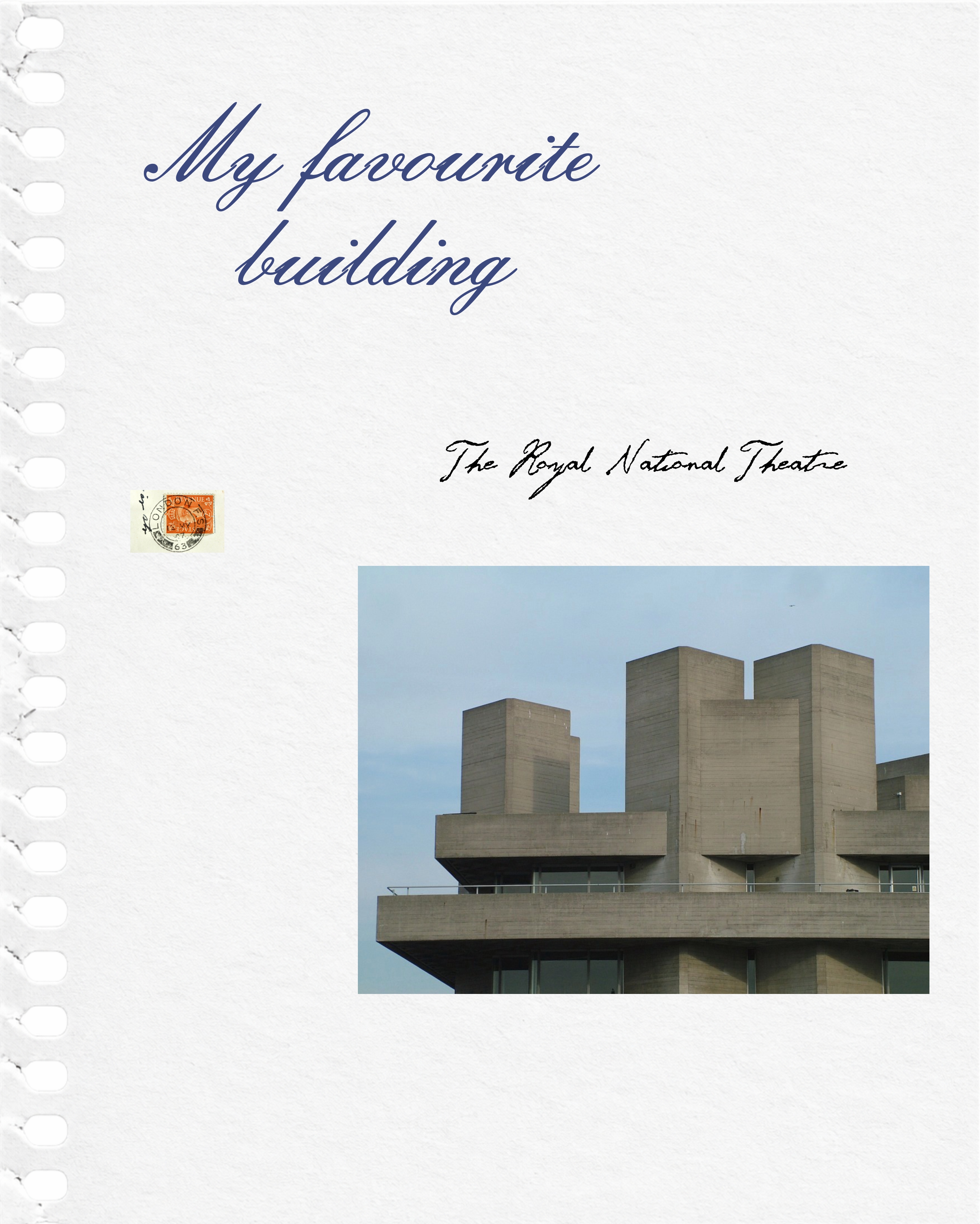
The Royal National Theatre on the South Bank has always been one of the buildings I find myself looking at differently each time I visit. As an architect, I’m particularly drawn to the way Denys Lasdun composed it as a series of terraces and platforms rather than a single monumental object.
What I particularly like is the relationship between the architecture and the city. The large terraces, stairways and public spaces make the building feel almost like an extension of the South Bank itself - you are constantly moving between the building, the river and the city. I find that quality very compelling. It is Brutalist, but it isn’t introverted or severe; it has a generosity to it.
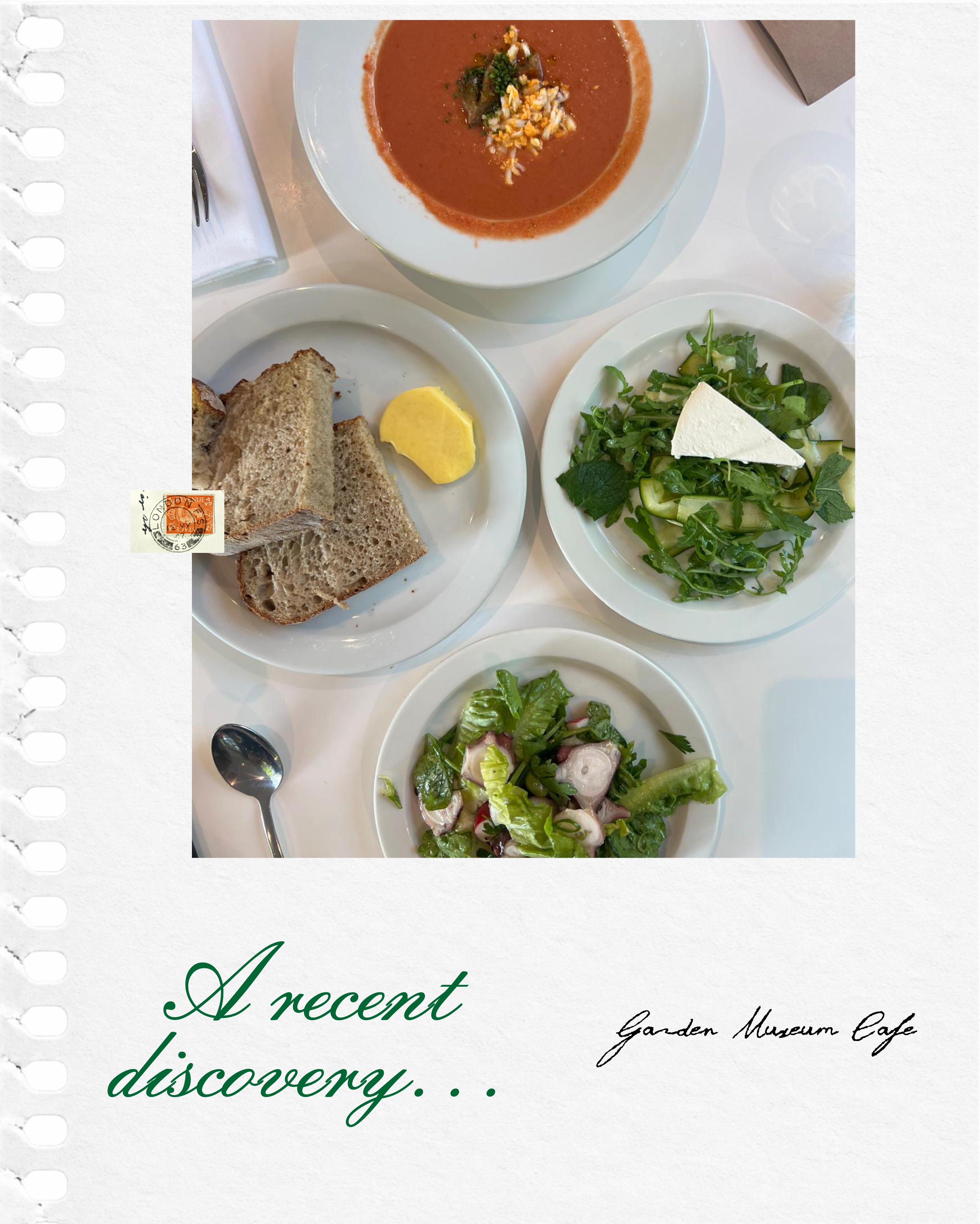
One of my most recent discoveries in London is the Garden Museum Café, tucked inside the beautiful former St Mary-at-Lambeth Church, just across the river from Westminster. It is the kind of place you could easily walk past without realising what lies within. I’m drawn to the building as much as the museum itself - the layers of history, the old church architecture and the quiet courtyard garden give the place a wonderful sense of intimacy.
I often find the most interesting places in London are those that reveal themselves slowly, and this is certainly one of them.
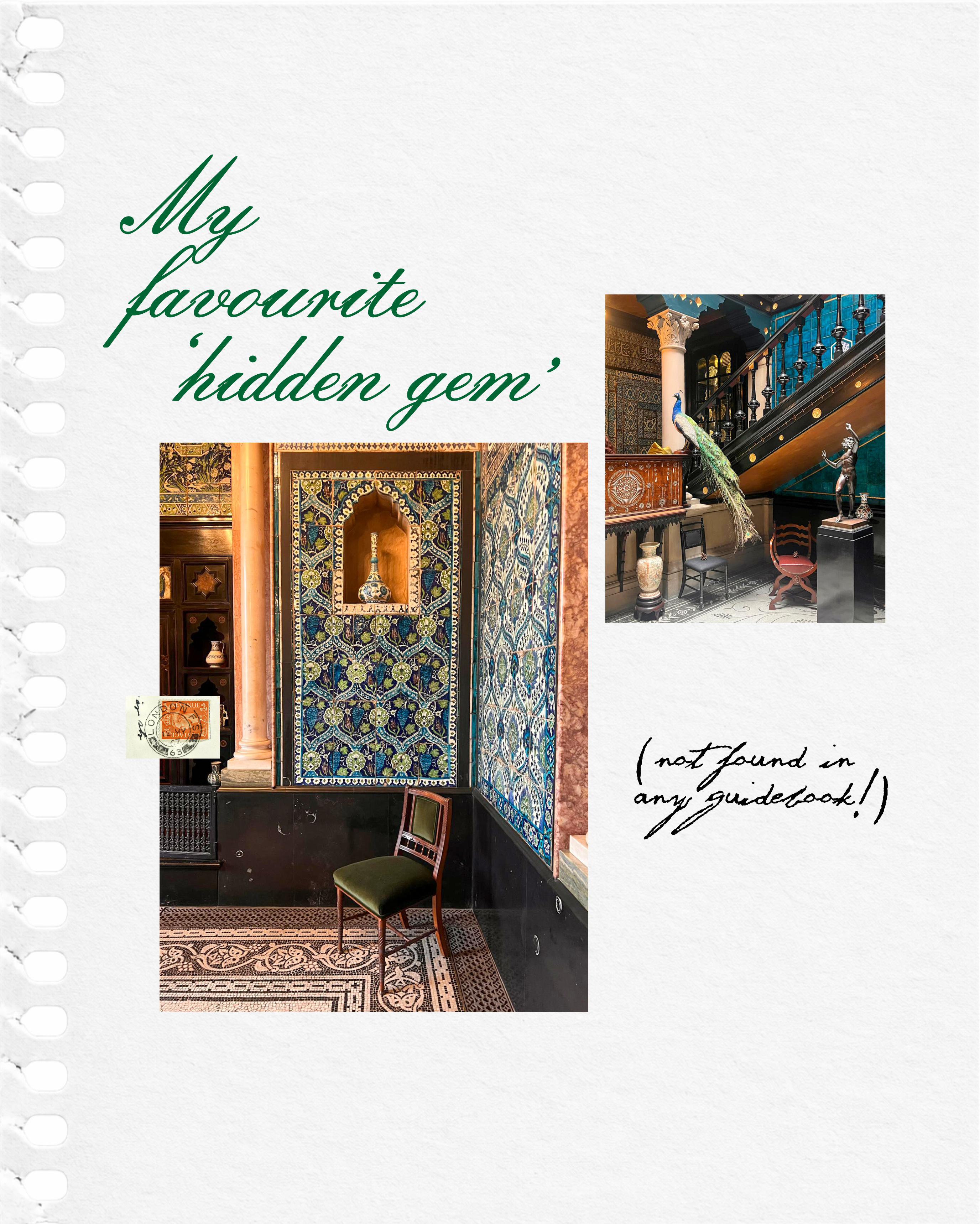
One of my favourite hidden gems in London is The Leighton Sam Bourne House, tucked away on Stafford Terrace in Holland Park. It is one of those places that feels almost too good to have remained a secret in a city as well documented as London. When I first discovered it, very few people I knew had even heard of it, which only added to its charm.
What keeps drawing me back is the remarkable sense of continuity. Edward Linley Sambourne, the celebrated Punch cartoonist, lived here with his family from 1874, and the house remains remarkably intact. The wallpapers, furniture, ceramics and countless personal objects have survived to create a vivid portrait of Victorian domestic life. It is the kind of discovery that reminds you why London is such a rewarding city to explore on foot.
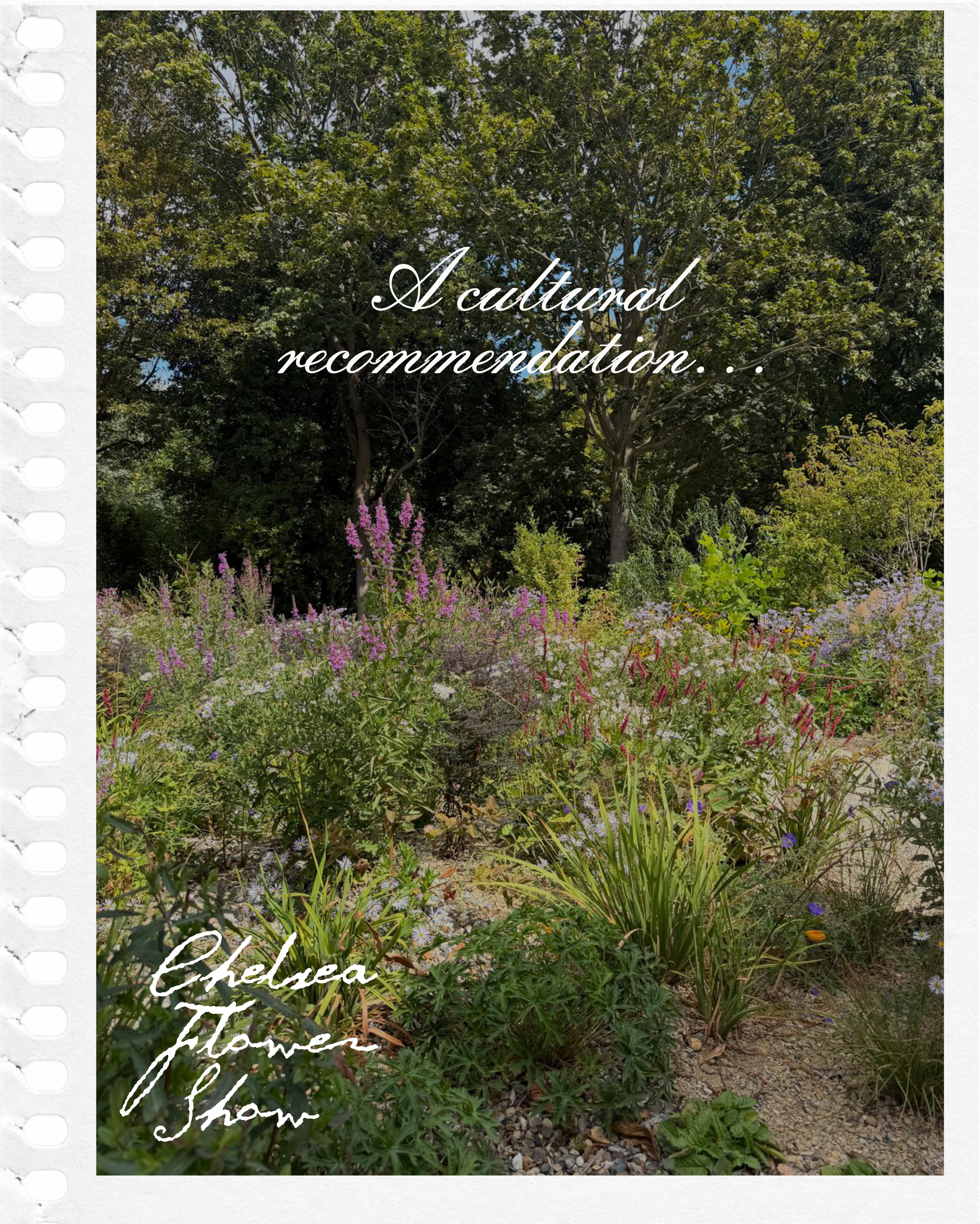
If there is one London experience I would recommend to anyone, it would be the Chelsea Flower Show. Held each year at the Royal Hospital Chelsea, it is one of those events that feels quintessentially London. There is also a wonderful behind-the-scenes challenge to it: the floral designers and horticulturists must keep everything looking perfect and alive throughout the entire week. I find that detail fascinating because it speaks to the level of care that goes into creating something that, for the visitor, feels completely effortless.
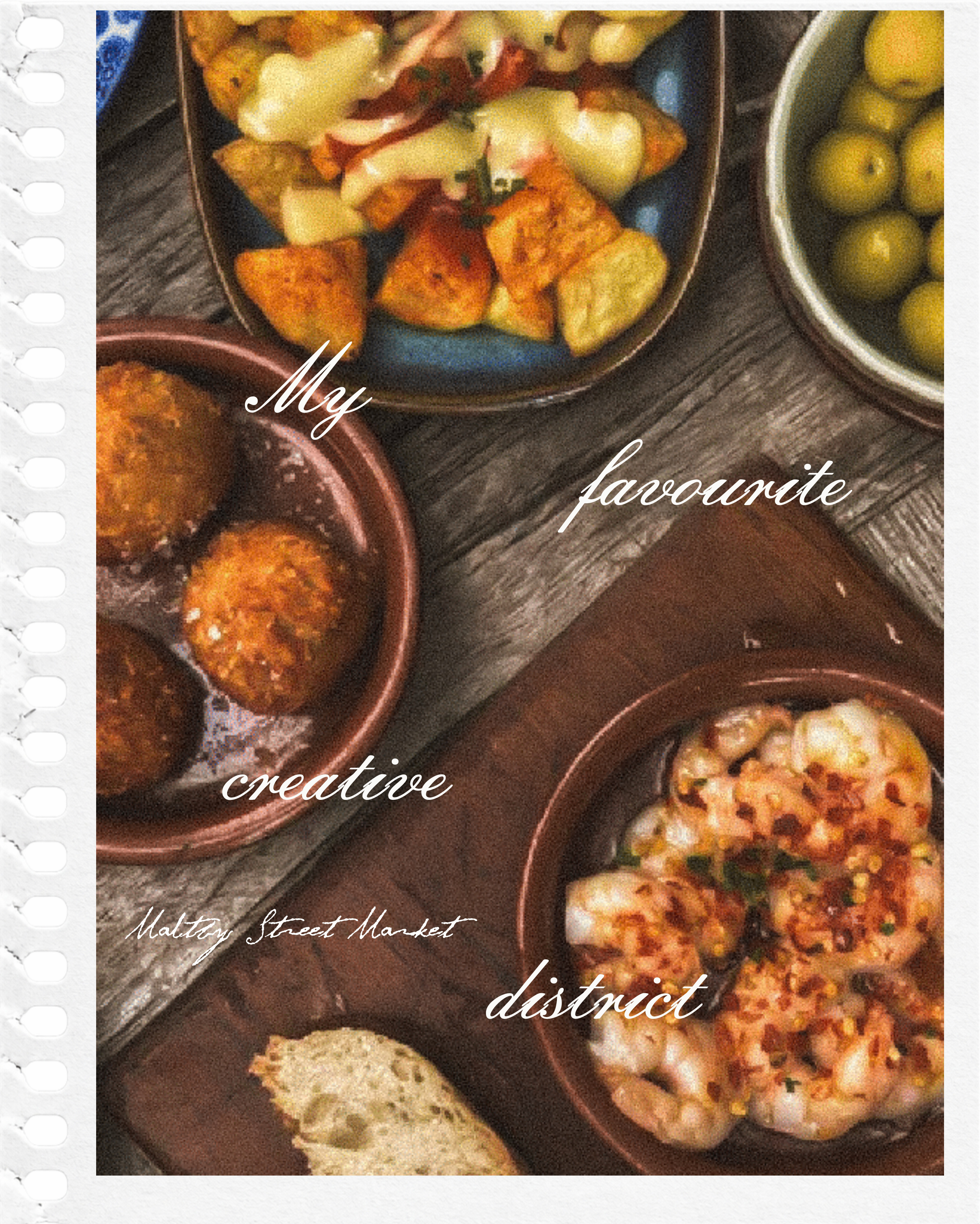
Nothing compares to the treasure hunt of Maltby Street Market, tucked beneath the railway arches in Bermondsey. I love the contrast between the industrial character of the setting and the energy of the market itself - the old brick arches, narrow cobbled streets and colourful flags creating a backdrop for an ever-changing mix of independent food stalls and makers. It feels distinctly London in that way: a little rough around the edges, but incredibly creative.
I usually go without much of a plan, which is part of the appeal. There is always something unexpected to discover, whether it is a new stall, a bottle of wine, or simply a particularly good lunch. More than anything, I enjoy the sense of community there.